He laid out his terms, steady and rehearsed. He had bought the house for them, not for Perry, and the extra payments were meant to pay it off faster, not fund a second home. From now on he’d pay only the minimum, and if Perry wanted to stay there, she’d have to contribute or find somewhere else to live. His father called him selfish and asked whether it was time he gave something back. “Family also respects each other,” he said.
Nothing came for a few days, and then his mother called, calm and a little resigned. Perry had agreed to contribute a small amount toward the mortgage. It wasn’t much, and his mother sounded disappointed that he’d had to ask for it, but they had respected a limit he set. He felt relief and sadness in equal measure. Things were quieter for a few weeks, with no surprise changes, though he knew his parents still saw him as the one they could lean on.
The Day the Payments Stopped
It didn’t last. He’d tried reasoning, boundaries and even a compromise, and every attempt ended in the same place. He finally accepted that they saw him as a safety net rather than a son, and he made the decision he says he should have made years earlier. He stopped paying the mortgage.
The calls started almost immediately. His mother left long voicemails about family obligations and how disappointed they were, and his father’s were sharper, insisting they’d raised him to support his family. He felt more numb than guilty. When he kept ignoring them, they borrowed friends’ phones and called from unfamiliar numbers, and he blocked every one he could. It hit him that to them this was normal, and that they could only see him as a bank account with a voice on the other end.
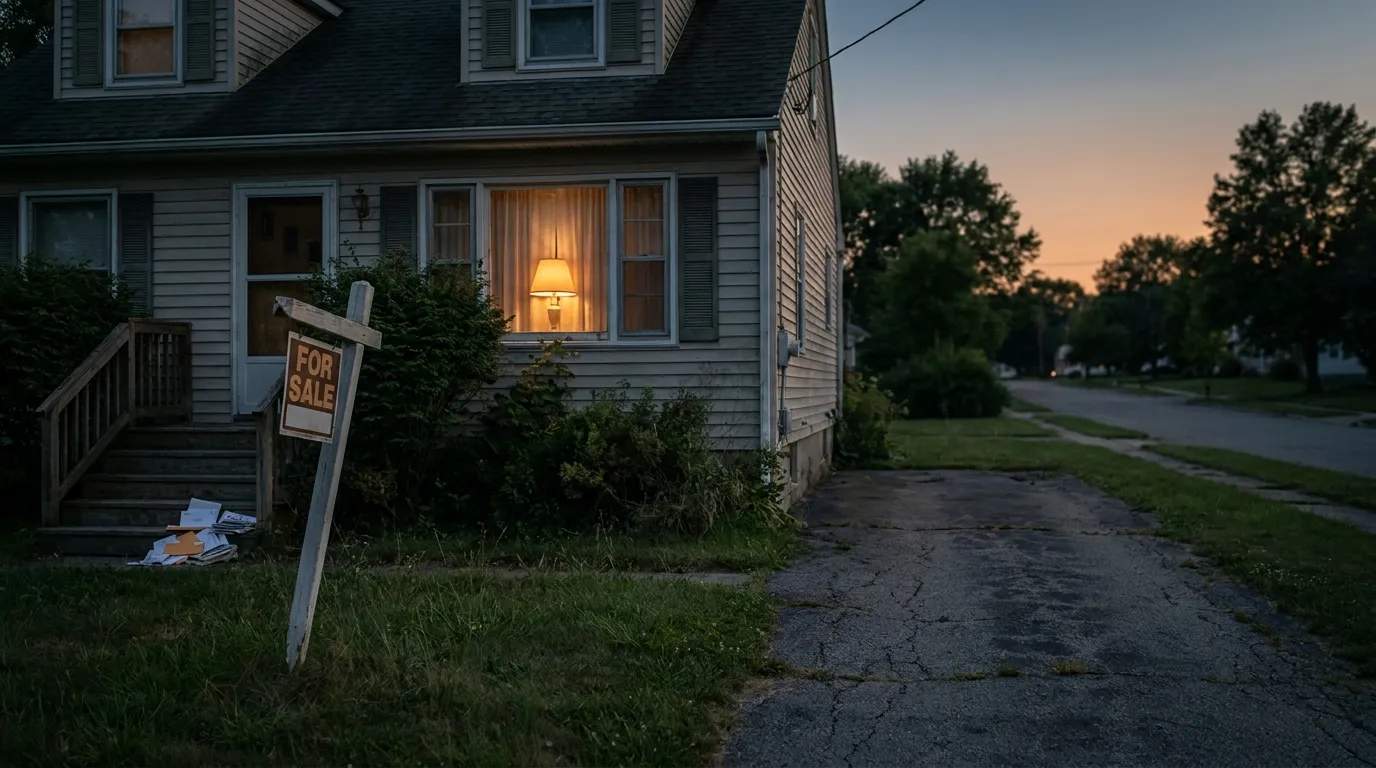
With nobody covering the payments, things came apart quickly. Within a couple of months the bank took over the house and put it up for auction. When it sold, Perry and her husband had to move out, since they had no way of paying for it themselves, and her calls started coming too, though he’d already blocked her number. Messages from his parents followed, calling him ungrateful and selfish and saying they never thought he’d walk away from family. Once the money stopped flowing, he’d become the villain in their version of events.
His parents eventually rented a smaller place in a cheaper area and made some cutbacks, but they’re managing. Perry, for possibly the first time, had to come up with her own plan without a handout. He felt guilty at first and then saw it differently, deciding she needed the wake-up call. He moved into a small apartment of his own, nothing fancy but paid for on his own terms, and began saving toward a house that would belong to him.
He says he spent years believing family meant giving everything you had. Over time he came to see that for his parents it had meant taking without ever counting the cost, and that the guilt had always been more about control than love. They may never see it that way, and he’s made peace with that. Family, in his view, should be built on love and respect, not on obligation and sacrifice.
Reflection: The hardest part of this story is that his parents’ sacrifices were real, and they used them like currency for the next ten years. Helping someone is a gift, but “I raised you” can’t be turned into a permanent claim on everything you earn. I think the best test of a family is whether it can hear “no” without calling you a villain.