
That evening she cried on the couch, furious that she still had tears left over this. Her fiancé held her without trying to fix anything. At her next session, her therapist, Cole, called the security a sensible boundary and not an overreaction, and walked her through grounding exercises for the wedding day.
Two weeks later a certified letter arrived from a law firm she’d never heard of. It asked for a meeting about “the child’s future and family relationships” while saying nothing specific. Her own attorney told her she had no obligation to respond, though knowing what the other side wanted might protect her from surprises later. She agreed to a phone call only and spent it sitting in a parked car while her attorney faced her mother’s lawyer across a conference table.
The lawyer described a struggling single parent and hoped the daughter might build some relationship with her half-sister. In the background her mother sobbed, which the daughter read as pure manipulation. Her attorney answered plainly: no relationship with the mother, and any future connection to the baby would happen on the daughter’s terms and timeline. Afterward her hands wouldn’t stop shaking. She’d believed she was past all this, and the crying had reached her anyway.
Her friend Clare turned up with wine and Thai takeout and told her what she needed to hear. The baby growing up with only her mother wasn’t her fault, and she couldn’t set herself on fire to keep someone else warm. Cole helped her pull apart two feelings she’d been tangling together. Her anger at her mother was justified and probably permanent, while her tenderness toward a child who hadn’t chosen any of this was a separate thing, and she was allowed to have both.
Then the ring resurfaced. An attorney for her grandmother’s sister called to say her mother still hadn’t returned it and theft charges would follow in thirty days. Two days later her mother phoned, sounding small and defeated, begging her to call the family off and describing the ring as a loan. When that went nowhere, her tone flipped to anger and she called it one mistake. The daughter cut in. Sleeping with her fiancé wasn’t a mistake, she said, it was a string of choices, from the gym visits to the hijacked wedding plans.
The next morning her mother posted online claiming she was being threatened with arrest and kept from family support. The daughter replied with a short, factual post about the ring and her boundaries, then turned her phone off for a few hours. When she switched it back on, relatives were demanding the ring be returned, and several offered to help with baby expenses once it was. Three days later her mother dropped it at the law office without a word, and the daughter told them to give it to her grandmother’s sister, where it belonged. That evening her aunt called to say the family had set up a small fund for the baby. If the daughter ever wanted to meet her half-sister, she said, the door was open, and no one would push.
An Empty Seat and a Garden Full of Roses
A month before the wedding, an envelope with no return address showed up in her mailbox. Inside was a photo of a baby girl with chubby cheeks, and a note in her mother’s handwriting: “She has your eyes. Her name is Lily. I thought you should know.” The baby really did have her eyes, and the resemblance made her stomach hurt. She didn’t throw the photo out and she didn’t frame it. She tucked it into her nightstand drawer under her grandmother’s old letters, a possibility held in reserve.
Her mother wasn’t done reaching, either. She was calling relatives, trying to get someone to talk the bride into letting her attend. So the daughter sent a clear email to all 37 guests from her family: her mother wasn’t invited, security had her photo, and anyone who brought her as a plus-one would be asked to leave. Every single reply came back supportive.
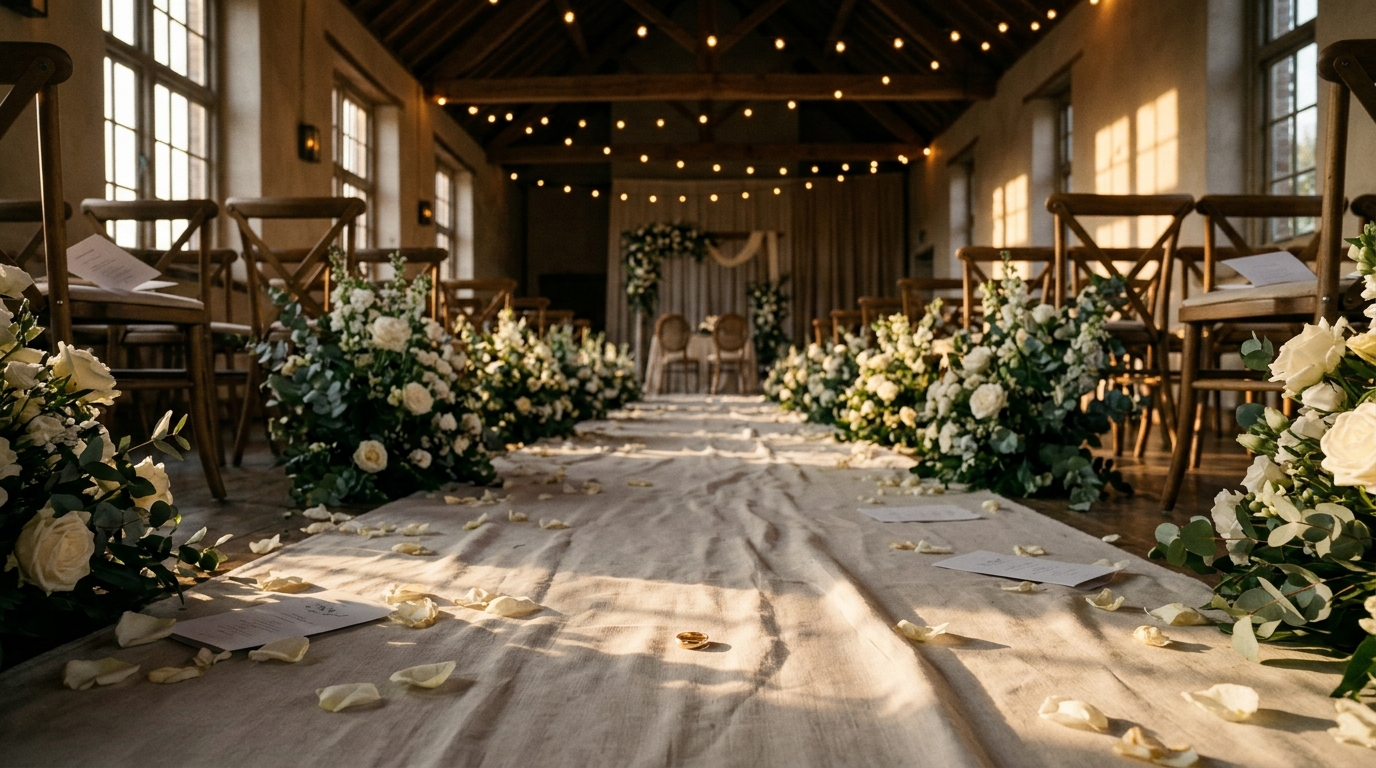
The rest of the planning finally felt like hers. The florist, Fatima, showed her full-scale mock-ups of burgundy dahlias, cream garden roses and eucalyptus, the opposite of the pastel pink arrangements her mother had once pushed, and she teared up in the middle of the reception hall. Dress shopping nearly derailed her when a woman in sunglasses with a baby froze her mid-aisle. It wasn’t her mother, just a stranger with a different nose and a decade less age, and Clare steered her to the modern gowns, where she found the right dress in twenty minutes.
The wedding day was clear and about 70 degrees. Her uncle walked her down the aisle, her fiancé got teary reading his vows, and Clare’s maid-of-honor speech started with the cats named after pasta shapes before turning serious about watching her friend turn pain into power. At the reception her aunt whispered that her mother had called that morning and gone straight to voicemail. Nobody blamed the bride. The empty mother-of-the-bride seat she’d dreaded for months mostly felt like freedom.
Three days later they flew to Florence and spent a week driving through Tuscany. On a stone wall at a vineyard, her husband asked about her five-year plan and whether she wanted to chase vice president, and she said maybe, but she wasn’t in a rush anymore. They talked about a house with a garden, traveling more than working sixty-hour weeks, and maybe kids in a few years. Somewhere over the vineyards she realized she hadn’t thought about her mother once since the reception. When they got home, her aunt’s card was waiting with three wedding photos, and they spent an hour hanging pictures around the townhouse while the cats complained about being left alone for ten days.
Six months into marriage she woke up on an ordinary Saturday, with her husband making coffee and talking to the cats, and realized she felt happy in a way she never had with Robbie. Her mother’s betrayal would always be part of her story, but it wasn’t the main chapter anymore.
Reflection: What looked like one explosion at a rehearsal dinner was really years of small boundary-pushing that everyone had agreed not to notice. The daughter never won by getting louder. She won by getting specific: a vendor list, a lawyer, a short factual post. The hardest thing she managed was keeping her anger pointed at her mother and her tenderness open for a baby who’d done nothing wrong, and most of us struggle to hold both at once.