
For thirteen years nobody in his family called. Then a gold-script wedding invitation arrived with a handwritten note from his mom: we need your help.
When the family that threw you away suddenly starts calling you “family” again, it usually comes with a price tag. For Paul, this family finance drama began with a wedding invitation and a pile of guilt-trip voicemails, then crossed the line from emotional manipulation into something much worse.
The Argument Nobody Remembers the Start Of
Paul was fourteen, wedged into the back seat of his parents’ beat-up sedan with a half-empty soda in his lap and his backpack at his feet. The argument had been building for miles, and he honestly can’t remember what started it. Maybe he’d asked why his sister got new clothes while he wore her hand-me-downs. Maybe it was the school sports team the family couldn’t afford. Whatever it was, it was small, which is how a lot of the worst family moments begin.
His father sneered at him in the rearview mirror and called him ungrateful. His mother laughed and said he’d never survive in the real world if this was enough to make him cry. In the front seat, his sister watched with a grin, like it was her favorite show. Then the car slowed, gravel crunching under the tires, and pulled into a rest stop off the highway.
His father parked, turned around, and told Paul to get out. Paul laughed, because that’s what you do when a parent says something too absurd to be real. Nobody laughed back. His mother shoved the backpack against his chest and said that if he thought he deserved better, he could go figure it out on his own, because the family didn’t need a winner dragging it down.
He begged. He can still hear his voice cracking on the words please don’t. His father started the car, and just before they pulled out, his mother rolled down her window and told him to stop crying, that he’d thank them someday. Then they drove away.
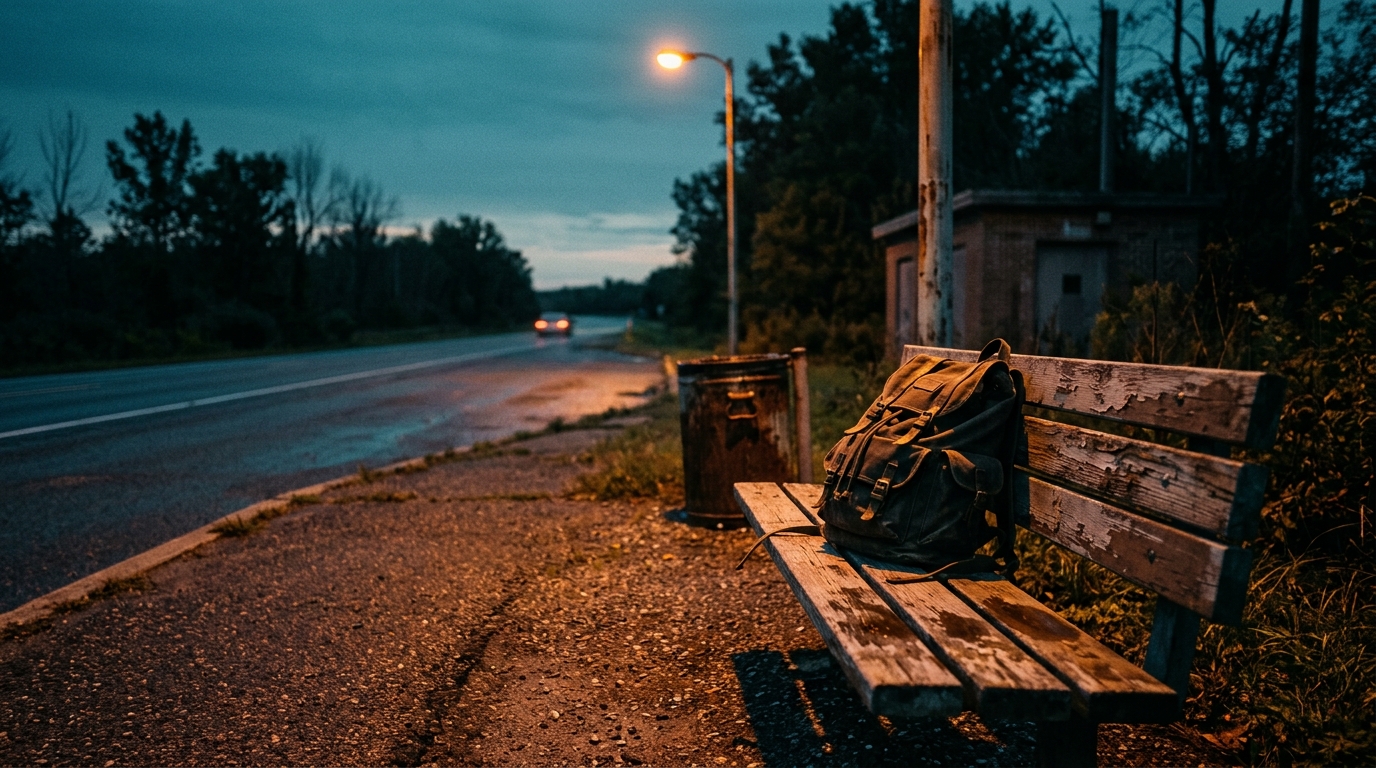
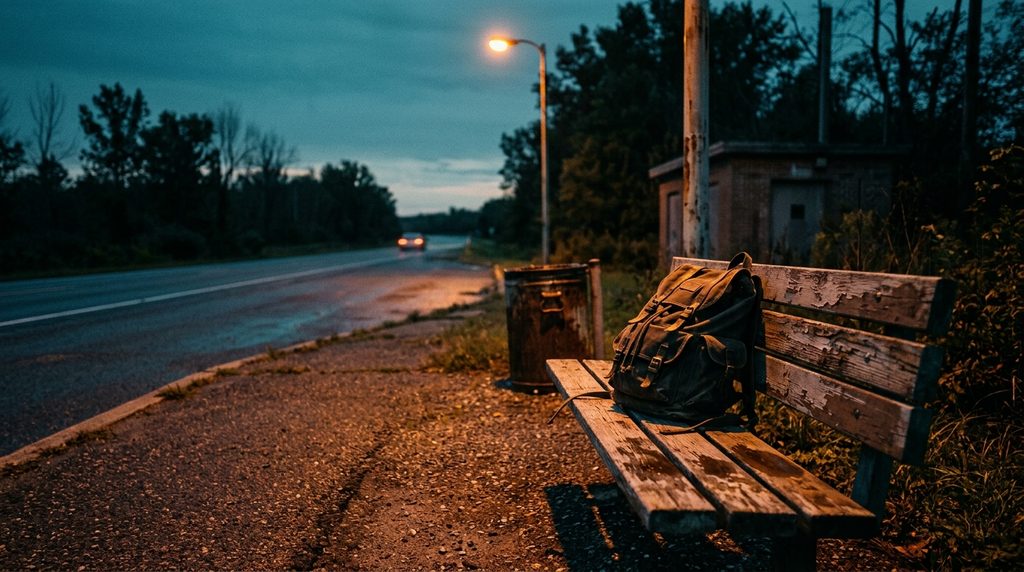
Paul stood in the middle of that rest stop with his heart pounding so hard he thought he might pass out. People walked past and a few glanced at him, but nobody asked if he was okay. He kept telling himself it was a lesson or a prank, but the minutes turned into hours, and somewhere in there he understood they weren’t coming back. He slept on a bench that night with his jacket pulled tight, crying quietly so no one would hear. There’s a particular loneliness in being a kid who learns to cry silently.
Thirteen Years of Not Looking Back
What came next was a blur of shelters, borrowed couches, and odd jobs. At fifteen he was scrubbing floors and stocking shelves at a gas station just to afford food, and he got good at hiding that he had no one to go home to. School became a fight he kept losing, not because he wasn’t smart but because he fell asleep at his desk after night shifts. Teachers wrote him off, and his parents never called, not once.
The only voice from home he ever heard was his mother’s, replaying in his head: he’d never survive in the real world. Oddly, it pushed him harder than anything else. By seventeen he’d saved enough from small jobs, plus a scholarship, to get into college. On move-in day he watched other families hug in parking lots and felt a hollow ache he couldn’t name. He promised himself he’d build something so solid that he’d never again feel like that kid at the rest stop.
And he did. After years of late nights and failed attempts, he had a company he’d built from scratch and, by twenty-five, a millionaire’s bank balance. More than the money, he had a house that felt like home, friends who’d become his real family, and stability for the first time. People who grow up without a safety net often get obsessed with building one, and Paul’s was made of work he’d earned and people who chose him.