
Silence has a price, though. Relatives started texting that Drew had screamed at his uncle and that Layla had stormed out sobbing, a version in which she couldn’t stand sharing the spotlight. Then a card arrived from his dad, postmarked before the party: a store-bought poem and a $25 Olive Garden gift card, with not one handwritten word. Layla laughed once, a bitter little sound, and dropped it in the trash. She didn’t cry, and that was worse.
That was when Drew admitted that the father he kept waiting for wasn’t coming. He put his energy into building something instead, starting with Layla’s old dream of an Etsy shop. He turned the guest room into a studio and helped her photograph her hand-painted bookmarks and pressed-flower journals. They listed twenty items in April and she’d shipped more than 200 orders by June, followed by market invites, a craft blog feature, and a stationery collaboration. Every good review chipped away a little more at what Cheryl and Emma had done.
Drew, a graphic designer stuck making corporate flyers, began freelancing on weekends too. By late summer he’d earned enough to quit his day job, and Layla pushed him with one question: if you don’t bet on yourself now, when will you? In August his dad finally called, not to apologize or ask about Layla, but to pass along that Emma was planning another bash and Cheryl hoped they’d patch things up. “Are you calling because you want us there or because she told you to?” Drew asked. “It’s family,” his dad said. “We move on. That’s what we do.” Drew told him they were done bending over backward for a family that didn’t want them, and he hung up without a trace of guilt.
The Quietest Kind of Comeback
A message request landed in Drew’s Instagram from a woman named April, a lifestyle blogger who’d been at the dinner as someone’s plus-one. “What they did to Layla was disgusting,” she wrote, and she attached a photo from that night: Emma beaming in front of her banner, Layla blurry in the background with her arms crossed. April also explained that Cheryl and Emma were building Emma into a wellness brand called Glow with Emma, with more than 100,000 followers and an $800-a-head retreat planned for October at a vineyard.
Drew started digging. Most of Emma’s content was harmless lemon-water fluff, but one video stood out, in which she teared up and said that when people sabotaged her birthday she hadn’t fought back, she’d chosen love. It had 600,000 views. Layla, who never raised her voice that night, was now the villain in someone else’s story, and Drew decided he was done letting that stand.
He didn’t plan a scene. He gathered facts. A friend named Jaylen, who runs a small production studio, had a partner at the magazine planning a feature on the retreat, so Drew sent him Emma’s video, April’s photo, and a detailed timeline of the night, backed by Cheryl’s texts and the restaurant invoice showing Drew had paid the deposit. Amanda agreed to give her account anonymously, and April handed over screenshots of a group chat where Emma bragged about stealing the party. Drew also built a simple website called “This Was Her Night” that named no one, and Layla wrote a short note for it saying she’d never wanted a spotlight, only to be seen, and that silence isn’t the same as grace.
On the first day of the retreat, as guests arrived at the vineyard in flower crowns, Drew published the site with one link and an anonymous post. It spread quietly at first. Then April texted that people were reading it on their phones while Emma spoke, and the magazine pulled its profile piece and deleted the teaser. Emma posted a vague story about people dragging her name through the mud, but in the comments her followers were asking whether the birthday story was true.
Cheryl defended her on Facebook, calling it a smear campaign and finishing with a line about people who can’t handle others shining brighter, and it backfired fast. Her own relatives replied that they’d been at the dinner, that Layla looked ready to cry all night, and that Emma had worn white to the wedding. The group chat screenshots followed, and one of the girls in the chat confirmed they were real. Sponsors quietly backed away, followers dropped by the tens of thousands, and retreat attendance on day two fell by almost half. Nobody shouted. People simply left.
His dad called, tired and embarrassed. “I didn’t know it was that bad.” “You never wanted to know,” Drew said. When his father asked if they could fix it, Drew looked across the room at Layla wrapping a journal order in tissue paper and told him no, but that they were okay. His dad said he was sorry, and Drew believed him, but sorry couldn’t put the candles back on Layla’s cake. He thanked him for calling and hung up, and it was the last time they spoke.
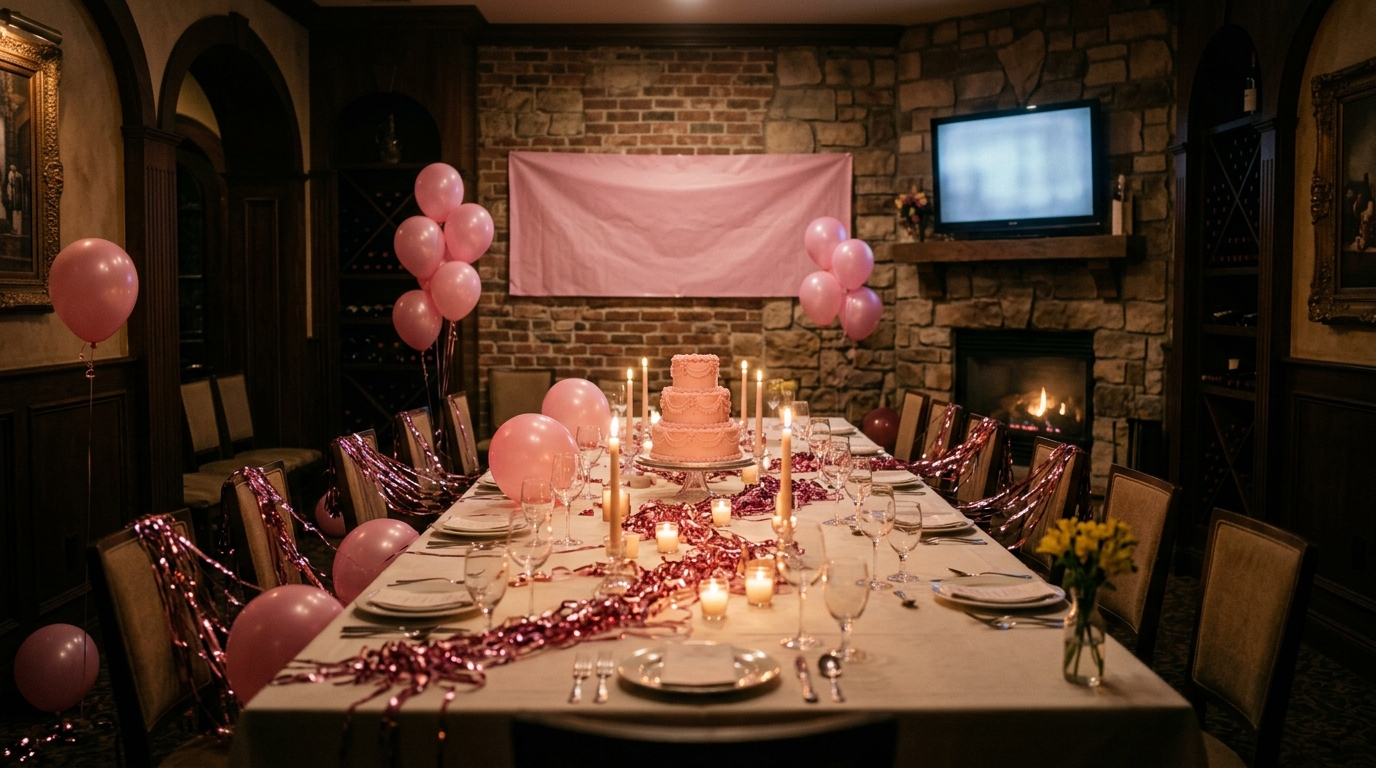
Layla’s shop kept growing, she started donating part of her sales to women’s shelters, and one of her bookmarks turned up in a celebrity’s book club post. Emma rebranded twice and posted tearful apologies that read like damage control. The site is still up, still anonymous, still resurfacing every few months. About a year later, Drew and Layla went back to the restaurant and asked for the back room. When the hostess asked if it was a special occasion, Layla said it was his birthday. This time the cake had both their names on it.
Reflection: Drew’s real win happened in the months before the vineyard, when he stopped auditioning for a father who kept giving the part to someone else. I also think the website was more calculated than he lets on, and it’s worth sitting with the fact that proof of how people treat you doesn’t have to be used as a weapon to work. A family that only apologizes once the audience shows up hasn’t learned much, and Layla saying she wasn’t invisible anymore says it better than any of us could.