
Greg took the silence as proof of his point. He told the table Rowan had always been a free spirit who never wanted the hard work, while Harper was solid and reliable with a beautiful home waiting for her. Then, in a voice lowered just enough to sound intimate, he said they’d been worried, that Rowan had no wife, no kids, no home, and what was he working toward, really? Across the room, Laya tilted her head the way she used to when Rowan brought home a B-plus.
Then came the toast. Greg stood, tapped his glass, and explained that when you raise children, one listens and carries the family name with pride while the other runs off, makes mistakes, and chooses a different path. Ten years later, he said, one child stood tall on her wedding day and the other was still wandering, still renting. He added that they loved Rowan anyway, that they’d kept him afloat longer than they should have and given him chance after chance. Laya laughed and told him not to be so hard, her eyes bright with agreement, while Harper said nothing at all.
Rowan’s jaw clenched so hard it ached. His father had just turned private family history into entertainment and rewritten it in real time, and the guests sat sipping politely while he did it. Later his mother leaned across the table and told him, low and sharp, that he could have had all of this if he’d only listened. He slipped out to the corridor, caught his reflection in a glass door with his eyes red at the edges, and understood that what was rising in his chest was grief. No matter what he built, he would always be the son who didn’t fit their picture. He thought about driving away, but picturing his father swirling his glass in satisfaction kept him there. He went back in, said nothing, ate nothing, and let them believe they’d won.
The Folder on the Table
Work was always Rowan’s language, so he went back to it the next morning. In his first six months as owner, he cut costs by nearly a third without laying off a single person, renegotiated supplier contracts, and brought in an architect to finally solve the parking problem. The old money pit became the most reliable hall in the county, and planners started saying his name. His consulting work grew into redevelopment advising, and a district everyone had written off came back to life with his fingerprints on the paperwork. He told his parents none of it.
Then, one late autumn day, a familiar name crossed his desk: Hail Properties. The report was blunt about mismanagement, overleveraged loans, and vacant buildings, and it described the empire his father bragged about at barbecues quietly crumbling. Around the same time, he overheard planners saying his mother and Harper’s firm was losing clients to younger companies that wanted results, not just a name. When a block of commercial spaces Greg once boasted about went into foreclosure, Rowan’s firm was among the first called, and they structured the deal so that Rowan controlled the management contract.
A gilded invitation arrived for Harper and her husband’s first anniversary, hosted by his parents at a high-end restaurant downtown. Rowan smiled at it. They were still playing the same game of appearances while he sat at the crossroads of their business and their reputation, and for the first time in his life, he wasn’t waiting for their approval.
He arrived deliberately late in an understated, tailored suit, because quiet confidence is louder than gold. “You came after all,” Greg boomed, and the words sounded welcoming with the same old barb underneath. When the courses settled, Greg rose for his toast about family, foundation, and the sacrifices behind the Hail name, and said he was proud of his children even when they stumble. This time Rowan didn’t stay seated.
“That’s a nice speech, Dad,” he said evenly. “You’ve always been good at those. But speeches don’t pay debts. Contracts do.” He slid a slim leather folder across the table and reminded the room that a block of Hail Properties had gone into foreclosure and that the city had needed someone reliable to manage it. “Every tenant in that block pays rent to me now,” he said. “Not you.” Greg’s face flushed as he demanded to know what this was, and Rowan answered, “Records. Proof.” Laya’s color drained, and Harper’s eyes went wide.
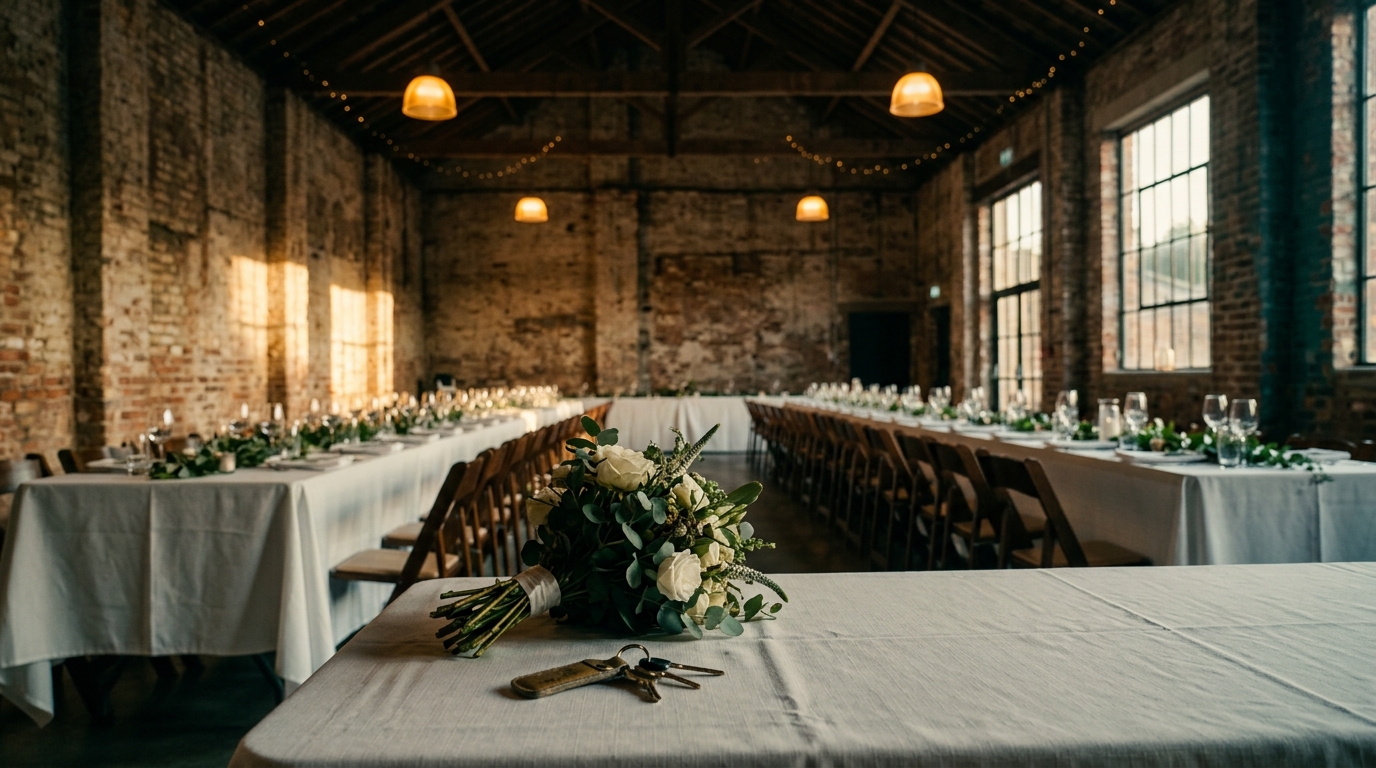
Rowan set the keys on the folder with a quiet click and raised his glass. “To family, and to standing on your own.” Greg shoved back his chair and snapped that it was nonsense, that a stack of papers didn’t make Rowan better than family. “It proves I don’t need your permission to exist,” Rowan said, and that while his father mocked him for building nothing, he had built everything Greg failed to protect. Greg stormed out, and Laya followed, her heels clicking like nails in a coffin. Harper opened her mouth, couldn’t bridge the years in one sentence, and Rowan didn’t press her. He raised his glass once more, “To truth,” and this time the whole room cheered.
He walked out into the cool night without looking back. The story his father had told about him for years, the failure, the drifter, the dreamer who’d never measure up, was finished. In its place stood a man who had been cut off and erased, and who had built himself into someone his parents could no longer control or define. For the first time, he wasn’t the outsider at their table.
Reflection: The folder gets the applause, but the nine years of unglamorous work behind it are the real story. Greg spent a lifetime treating help as a loan with interest, and the kid who wouldn’t sign paid for it in silence. Humiliating someone in front of a crowd feels strong right up until the crowd changes sides. Rowan never needed an apology to know who he was, and that’s the part worth keeping.