
Mark spent years earning his degree, and his family spent graduation day planning how to use it. This is what happened when he finally stopped giving.
Mark’s family left their reserved row empty at his graduation, then summoned him home to talk about money for his younger brother. What follows is a family finance drama about favoritism, personal boundaries, and what happens when the “reliable” child runs out of patience.
The Row Nobody Filled
Mark was 23 when he finally walked across a stage to collect his college diploma, and he had been picturing it since he was a kid. Years of late nights and part-time jobs went into that moment. He had imagined the applause, his family cheering, and his mom dabbing her eyes with a tissue the way she did at even the smallest milestone.
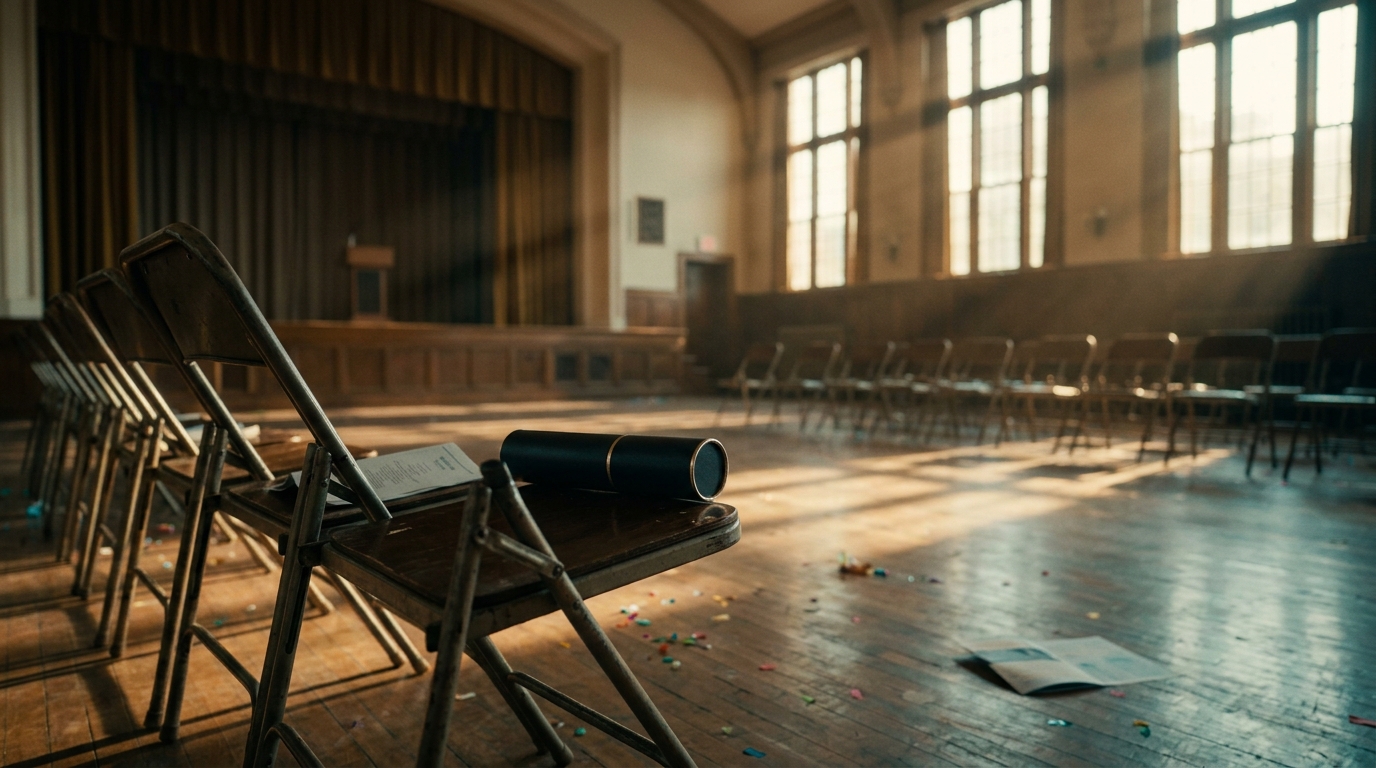
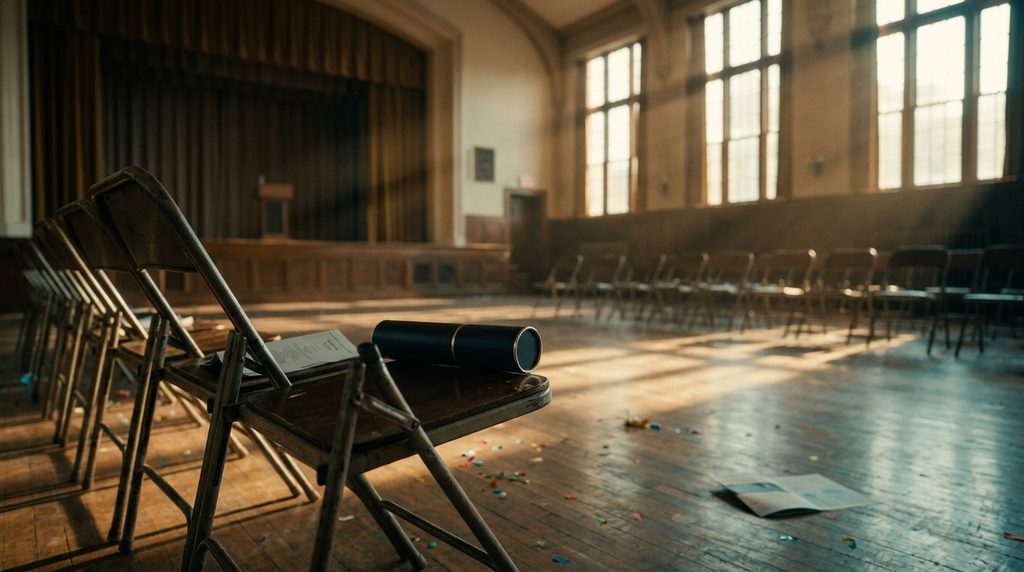
When his name was called, he looked out over the parents, grandparents and siblings holding up phones. The row of seats saved for his family was empty. His parents hadn’t come, his younger brother Matt hadn’t come, and nobody else had either. The night before, his dad had written in the family group chat to remind everyone to be on time because he’d reserved front-row seats. Everyone got that reminder except Mark, who hadn’t needed one because he’d been carrying that date around for years.
He told himself it was traffic, or some small emergency. Afterward, diploma in hand, he checked his phone and found a single line from his mom: sorry, it was Matt’s birthday, and they’d celebrate Mark another time. Matt had turned 18 that day, so the family had a barbecue, a cake and all the attention they could spare. Mark got an apology and a postponement.
Then he scrolled further and found 37 missed calls from his dad, all placed while he was walking across that stage. The last text was short: come home immediately. There was no question about how the ceremony went. Mark sat in his car under a tree, watching other graduates hug their families, and wanted an explanation more than he wanted to cry. There’s a particular hurt in being the child who never needs reminding, because somewhere along the way that reliability became a reason for everyone else to stop paying attention.
A Birthday Party With No Room for Him
To see why those empty seats hit so hard, you have to know how Mark’s house ran. Matt’s achievements were announced like medals. A C-plus on a math test became “he’s brilliant, he just doesn’t apply himself,” while Mark’s scholarships earned a flat “that’s great” and a reminder that Matt’s football banquet fell on the same night. “We’ll see” was the family’s standard answer, and everyone understood it meant no. When Mark got into his university, he opened the letter in the kitchen and showed his mom. She smiled and then asked if he could help Matt with a history paper.
He had still clung to the idea that graduation would be different. He drove home alone and opened the door to frosting, barbecue smoke and a crowd around Matt, who was cutting a cake with his name on it. His dad looked up and said, “Mark, you’re late. We need to talk.” It was the clipped tone he used when he was about to say Mark owed the family something.
The living room was packed with aunts, uncles and Matt’s friends, under a gold banner reading “Happy 18th, Matt.” Matt, frosting on his cheek, asked whether Mark had been too busy with his “little school thing.” The room laughed. Mark’s mom gave him a quick hug, told him a plate was saved, and went back to fussing over Matt without glancing at the diploma case.