
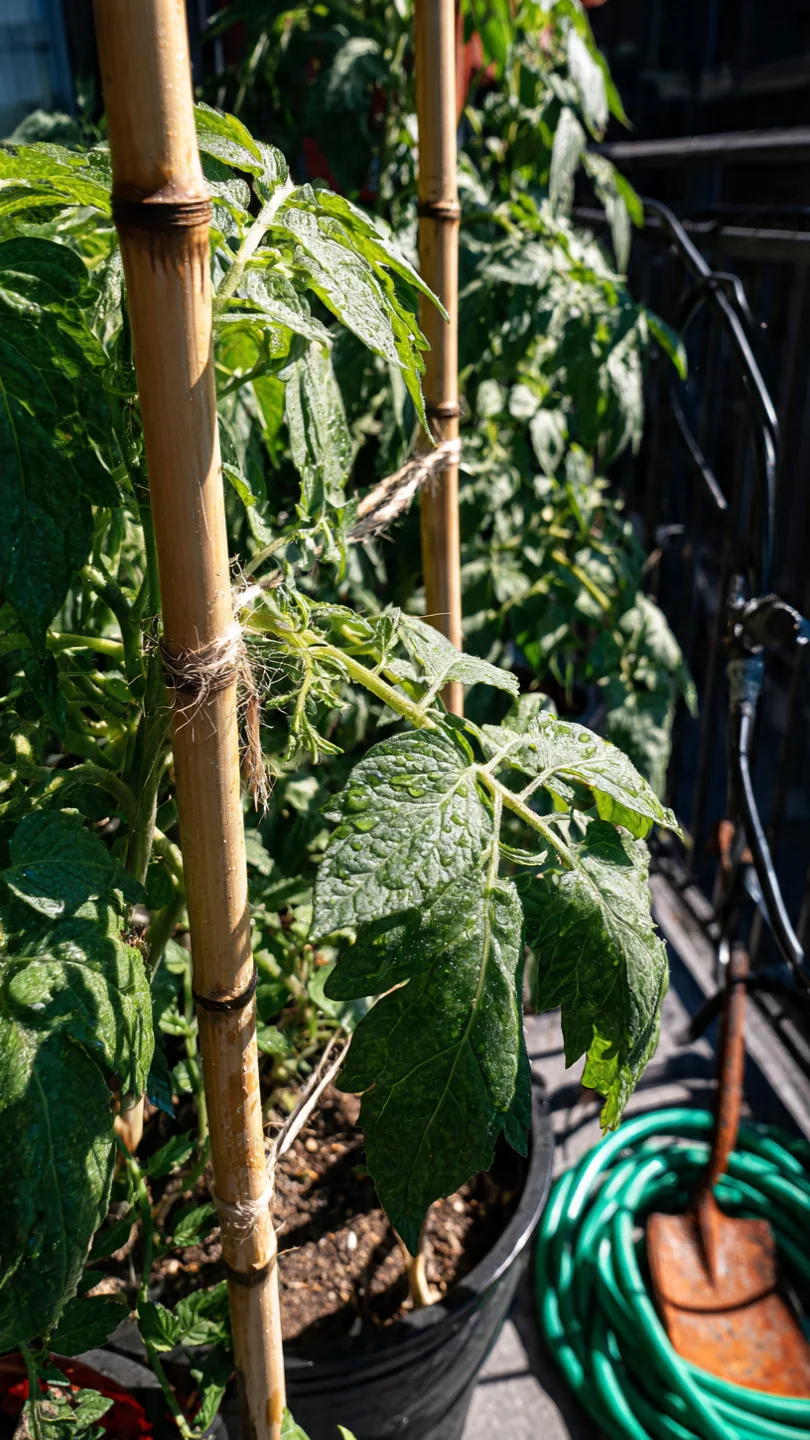
Container trellis ideas work when the support mechanics align exactly with your pot footprint, plant weight at maturity, and local wind exposure rather than chasing decorative trends. This grid classifies every option by load class so you select once and avoid mid-season collapses or disease from crowded foliage.
Scope covers nine freestanding or rim-anchored systems for containers 5 gallons and larger. It excludes in-ground beds, permanent arbors, and purely indoor houseplant supports. Focus stays on vining edibles and ornamental climbers common in urban balconies, patios, and small decks across the US, UK, Canada, Australia, India, and Germany where container space limits horizontal spread.
After reading you can match your setup to one of three branches, pick the first two items in the Starter Stack, and know the exact attachment points that keep the pot upright through harvest. Concrete decisions replace guesswork on materials and placement.
Bottom line: Identify your decision grid branch below and start with the two recommended items in the Starter Stack for season-long vertical support without structural adjustments.
The Yield Grid Decision Grid
Branch 1 applies when your mature crop load exceeds 20 pounds total weight or your container holds under 12 gallons with tomatoes, cucumbers, or zucchini. Rigid frames with base anchoring prevent tipping. Recommended: Items 1, 4, 7 below.
Branch 2 applies to light edible climbers such as peas or beans where total mature weight stays under 10 pounds in any container size from 5 gallons up. Flexible netting or string systems deliver fast coverage. Recommended: Items 2, 5, 8 below.
Branch 3 applies to ornamental or screening vines on wind-exposed patios where visual height and airflow matter more than edible yield. Lattice or panel systems with side ties maintain stability. Recommended: Items 3, 6, 9 below. For integrated vertical strategies check out our vertical container garden guide.
Quick Comparison Table
| Option | Key mechanism | Best for | Decision Grid Branch | Budget Tier |
|---|---|---|---|---|
| Rebar-Anchored Bamboo Obelisk | Soil-embedded rebar legs with twine cross bracing | Tomatoes or cucumbers in 10-plus gallon pots | Branch 1 | Medium |
| Rim-Clamped Tomato Cage Upgrade | Pot-rim wire hooks plus vertical string runs | Peas in 5-gallon buckets | Branch 2 | Low |
| Recycled Ladder Trellis | Leaning ladder rungs with side tension straps | Flowering vines on narrow patios | Branch 3 | Low |
| Bent Cattle Panel Half-Arch | Curved panel ends buried 8 inches in soil | Zucchini or melons in large troughs | Branch 1 | High |
| Eye-Hook String Netting | Four corner eye hooks with 6-inch grid twine | Beans along balcony rails | Branch 2 | Low |
| Wall-Mounted Wire Grid | Horizontal wire runs spaced 10 inches apart | Privacy screens on exposed decks | Branch 3 | Medium |
| Pot-Rim A-Frame with Clamps | Two angled bamboo sides clamped to pot lip | Heavy indeterminate tomatoes | Branch 1 | Medium |
| Bamboo Teepee Lite | Four poles tied at apex with base soil stakes | Dwarf peas in window boxes | Branch 2 | Low |
| Upcycled Headboard Lattice | Slatted wood frame with cross braces | Ornamental clematis on small patios | Branch 3 | Medium |
Rebar-Anchored Bamboo Obelisk
Best for: Branch 1
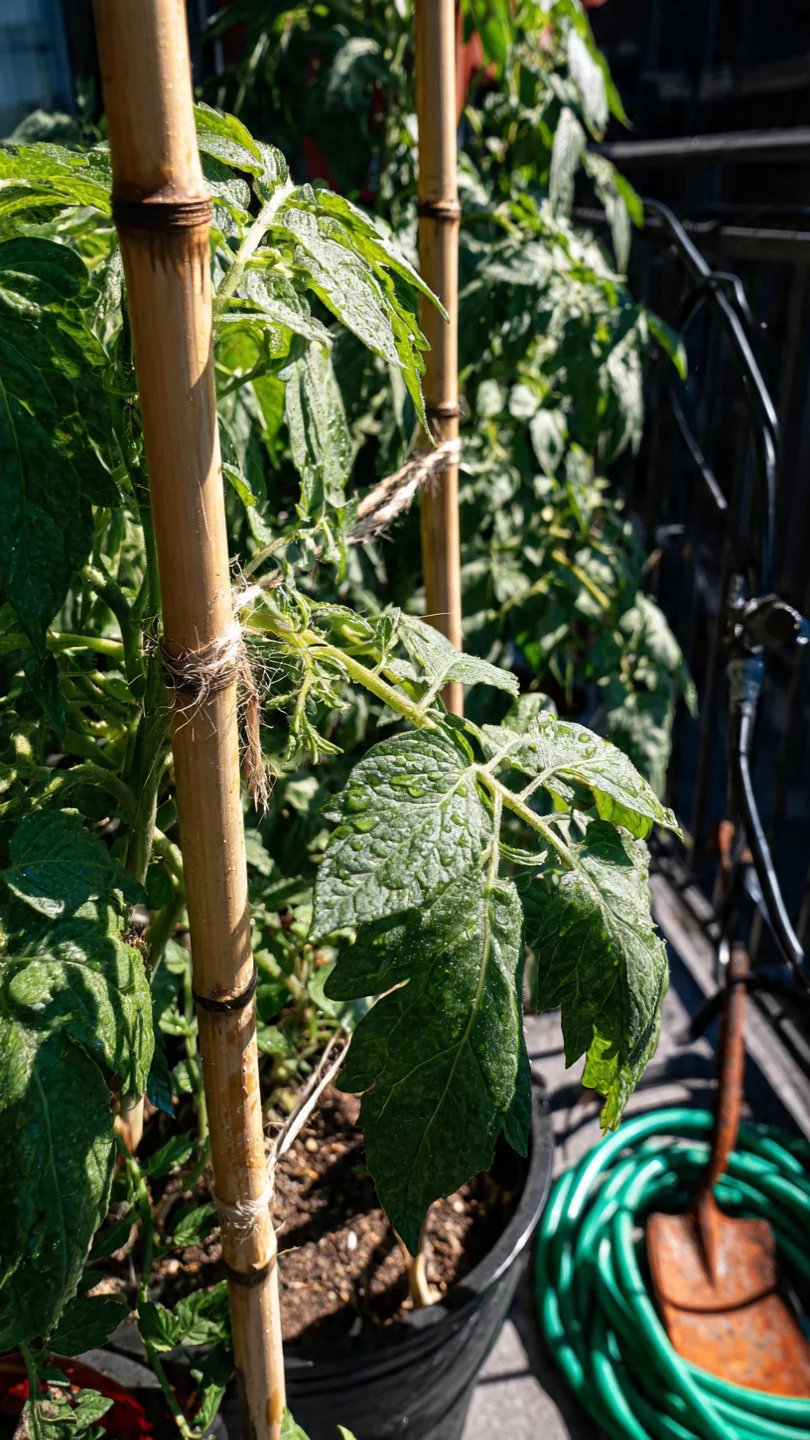
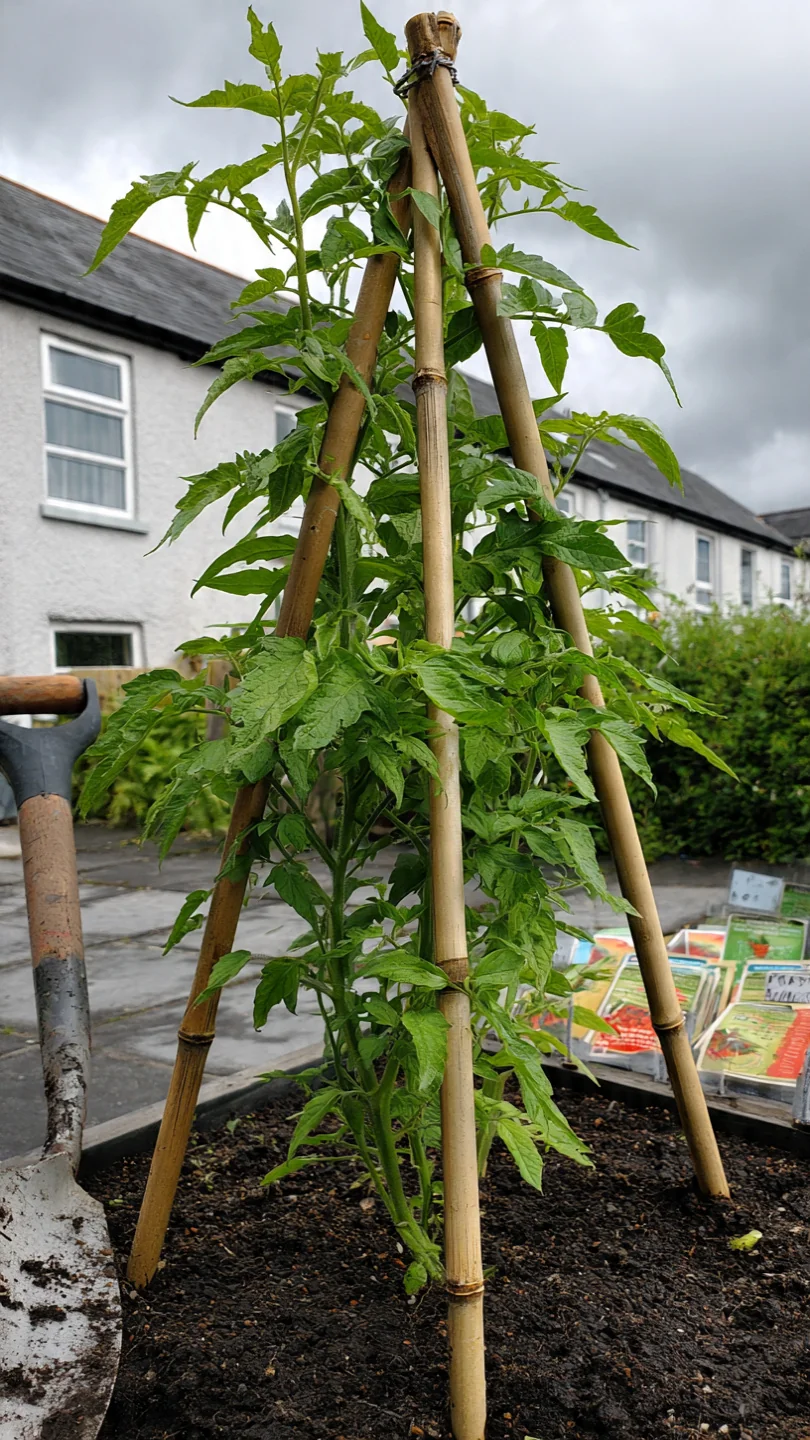
Blueprint starts with four 6-foot bamboo poles and two 18-inch rebar segments. Drive rebar 6 inches into the pot soil at opposite corners, slide one bamboo leg over each rebar, then lean the remaining two poles inward and lash all four at the top with garden twine. Add three horizontal twine rings at 18-inch intervals. The rebar legs lock the structure against lateral shift in containers as small as 10 gallons. Common mistake is skipping the rebar and relying on soil friction alone, which fails once foliage reaches 4 feet and wind load increases. Pair this with tomatoes in pots for best results. Total height reaches 5 feet above soil line, giving indeterminate varieties room to climb without pot instability.
Rim-Clamped Tomato Cage Upgrade
Best for: Branch 2
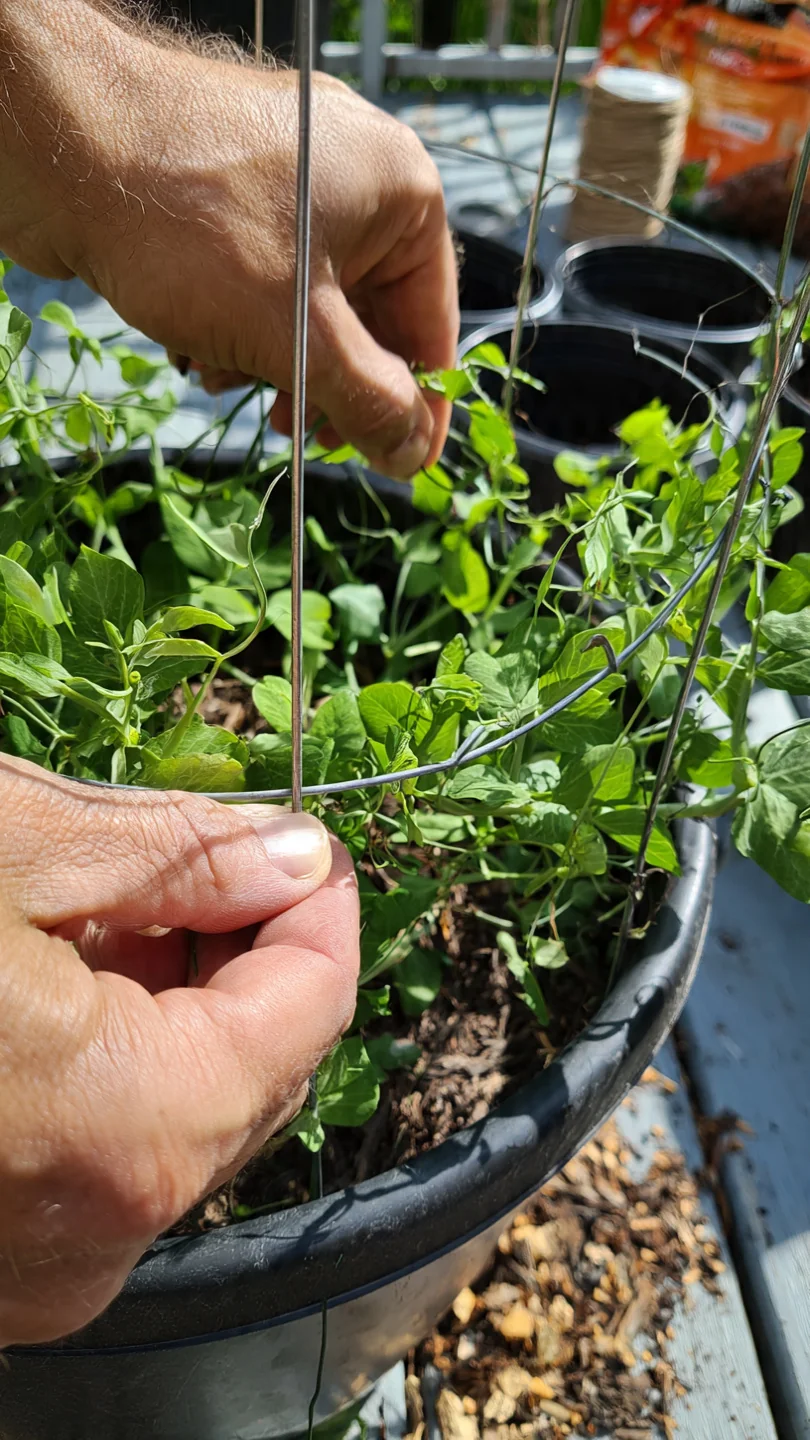
Use versus skip: this upgrade works when you already own a standard tomato cage and need quick support for peas. Bend the cage legs outward and hook them over the pot rim with short wire loops. Skip it if your pot has a narrow or rolled rim that cannot accept the hooks securely. Edge case arises in 5-gallon fabric pots where the soft sides allow slight flex but still hold the cage upright through light crop loads.
Recycled Ladder Trellis
Best for: Branch 3
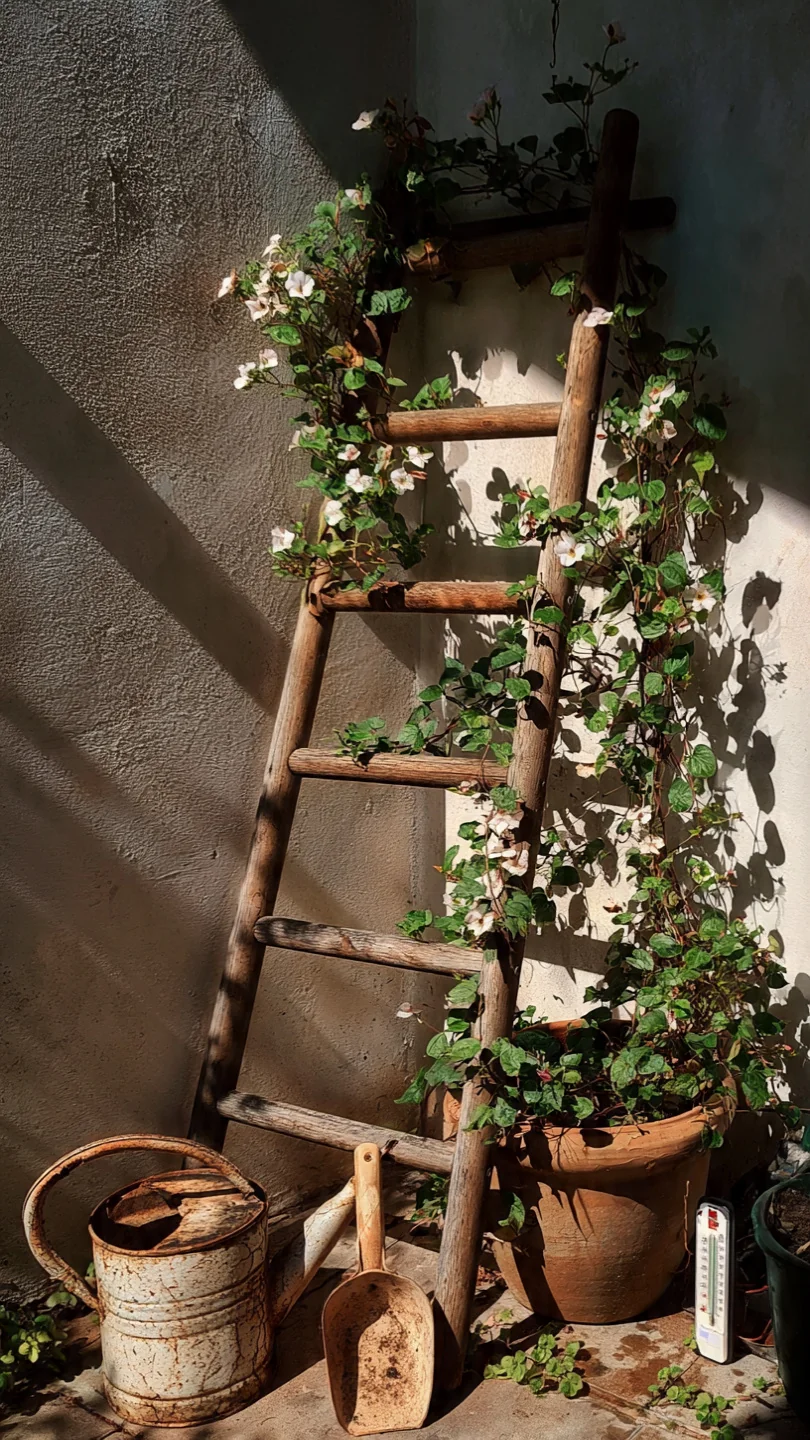
Threshold rule: select this when your patio receives afternoon winds under 20 mph and the container sits against a wall. Position a 5-foot section of old wooden ladder so the bottom rung rests inside the pot rim and the top leans against the wall at a 70-degree angle. Secure with two ratchet straps around the pot at soil level. Adjust angle if the ladder exceeds 6 feet or the pot diameter drops below 14 inches. This delivers 4 feet of vertical climbing surface while using zero new lumber.
Bent Cattle Panel Half-Arch
Best for: Branch 1
Ten-minute workflow: cut a 4-by-8-foot cattle panel in half with bolt cutters, bend each half into a gentle arch, and bury the cut ends 8 inches deep in opposite sides of a 20-gallon or larger container. Secure the arch peak with zip ties if needed. Upgrade option swaps zip ties for coated wire for multi-season reuse. This shape spreads heavy vining crops such as zucchini across 6 feet of width without crowding the pot center. See our list of best vegetables for containers to match crop choice. Assembly requires gloves but no power tools.
Eye-Hook String Netting
Best for: Branch 2
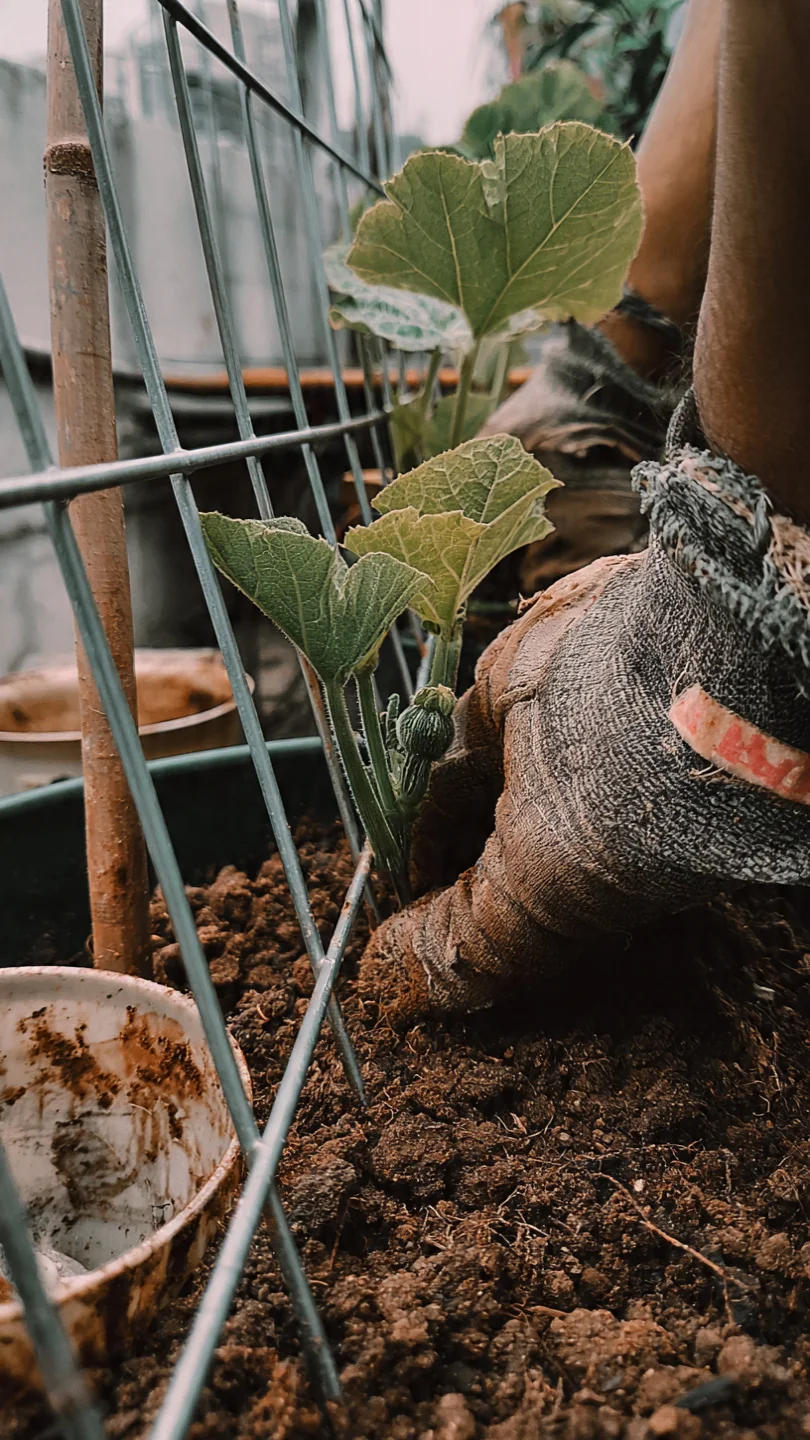
Drill four eye hooks into the pot rim at equal spacing or use clamp-on hooks for plastic pots. Run vertical strings from rim to rim, then add horizontal strings every 6 inches to form a grid. Beans climb the grid without tangling when spacing stays at 6 inches or wider. This system collapses flat for storage at season end and costs under $10 in twine and hooks.
Wall-Mounted Wire Grid
Best for: Branch 3
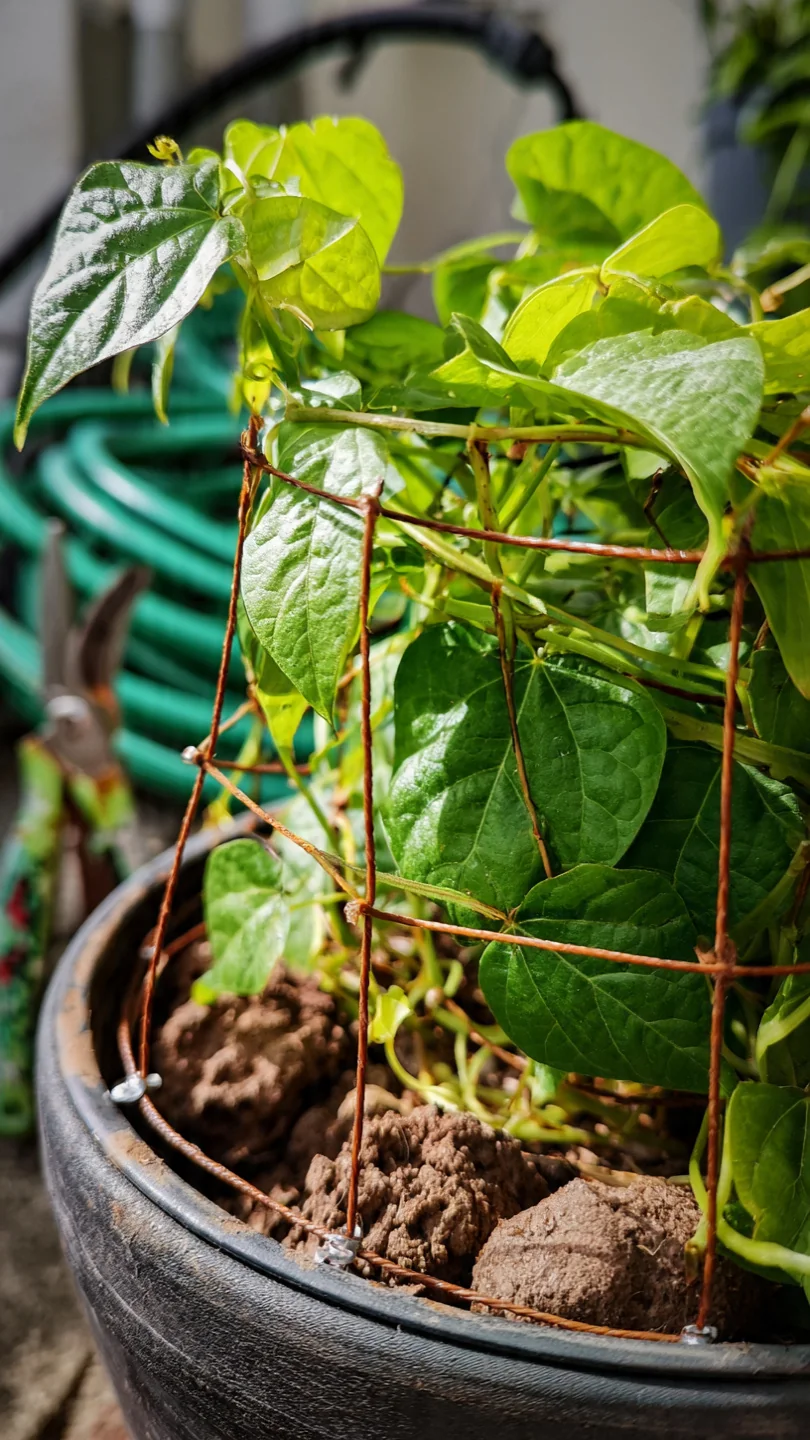
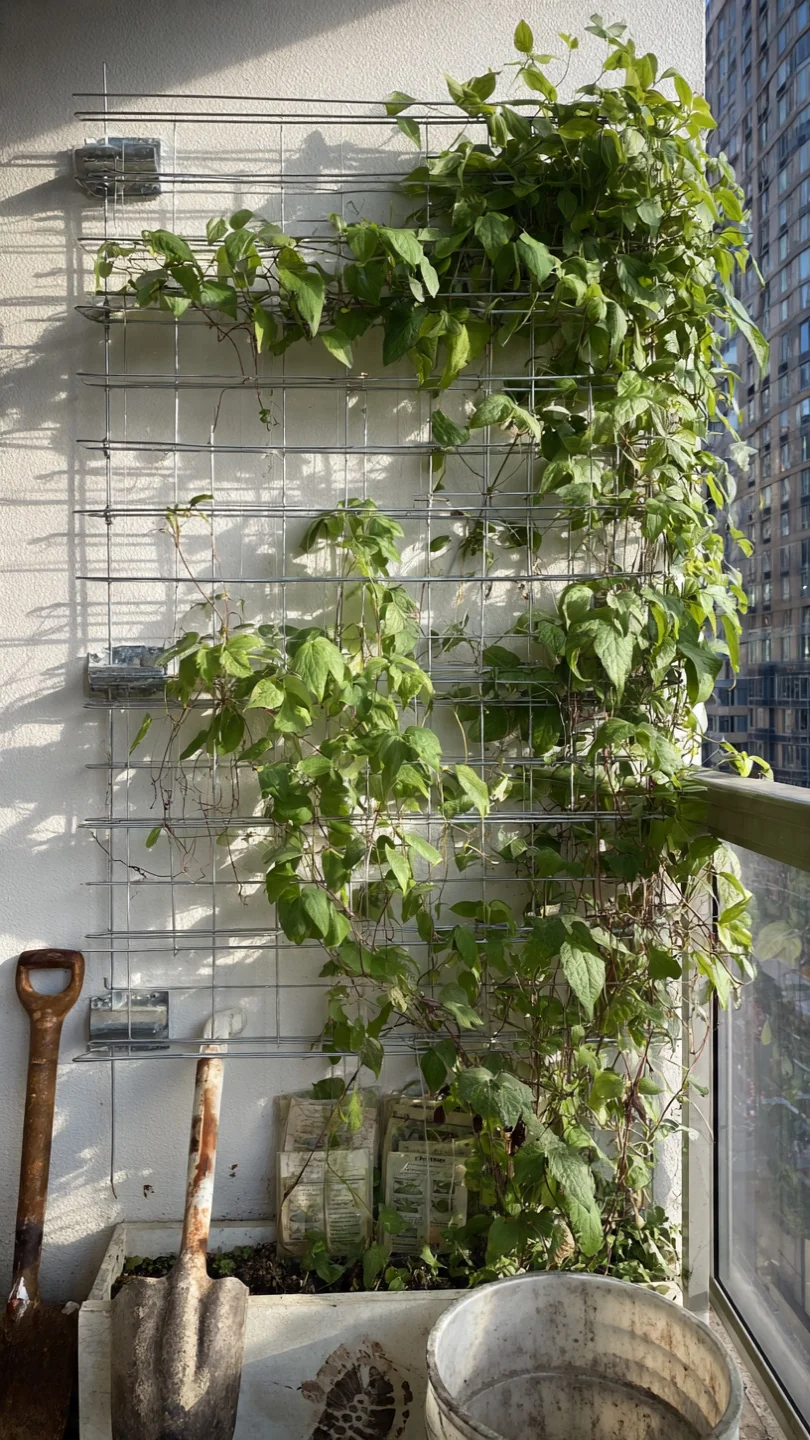
Threshold rule: install when your container sits within 6 inches of a solid wall or railing and you need airflow to reduce foliar disease. Screw four 12-inch L-brackets into the wall studs at 18-inch vertical intervals, then stretch galvanized wire horizontally between them at 10-inch spacing. Attach the pot directly below the lowest wire with two side ties. The open grid allows wind to pass through while vines cover the surface within six weeks of planting.
Pot-Rim A-Frame with Clamps
Best for: Branch 1
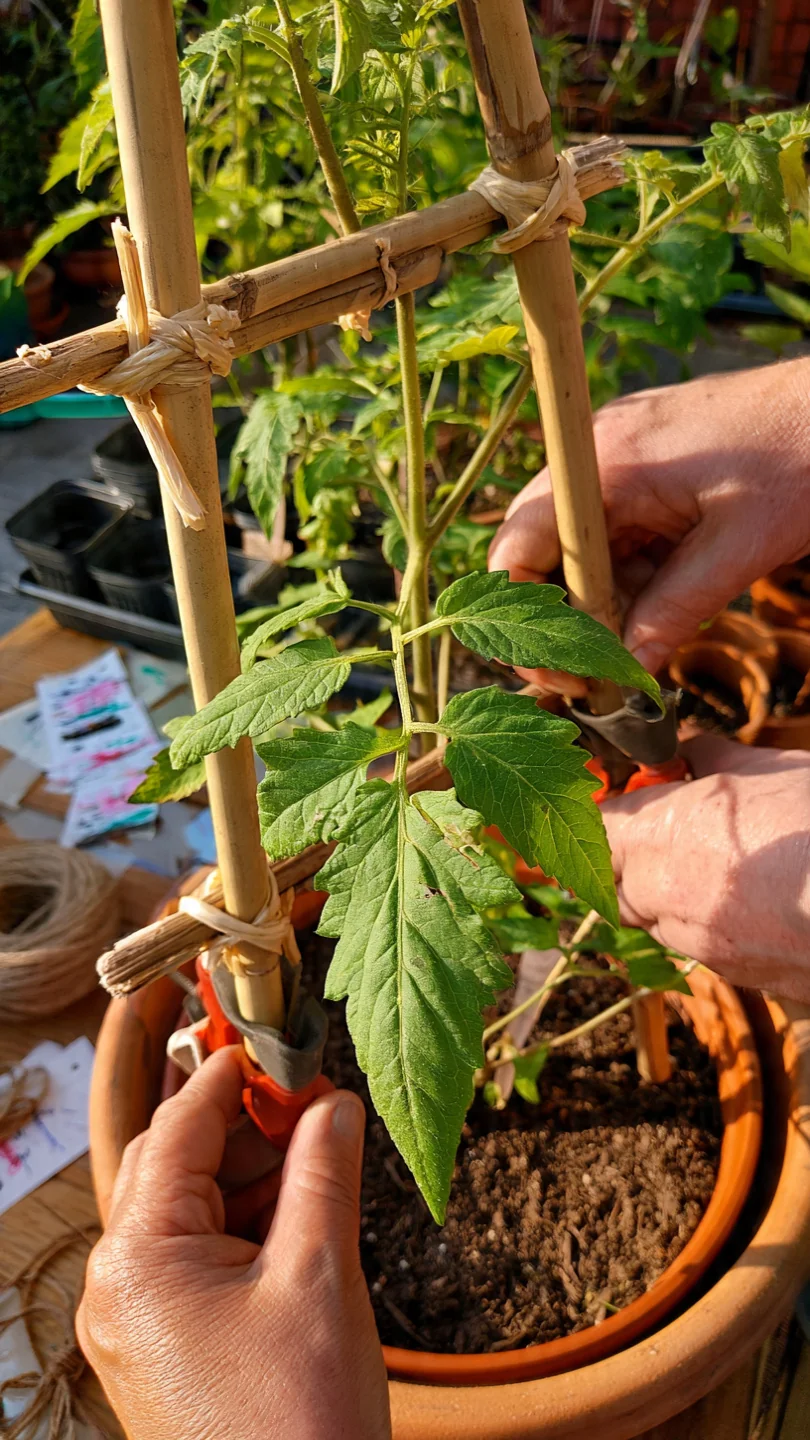
Blueprint: cut two 6-foot bamboo poles and two 3-foot cross pieces. Clamp the long poles to opposite sides of the pot rim using heavy-duty C-clamps padded with cloth to protect the pot surface. Lash the cross pieces at 24-inch and 48-inch heights. The A-frame shape distributes weight evenly across the pot rim rather than concentrating force at the soil base. This prevents tipping even when indeterminate tomatoes reach 7 feet and produce clusters over 3 pounds each. Pair it with beans in containers only after the main crop finishes to extend the season.
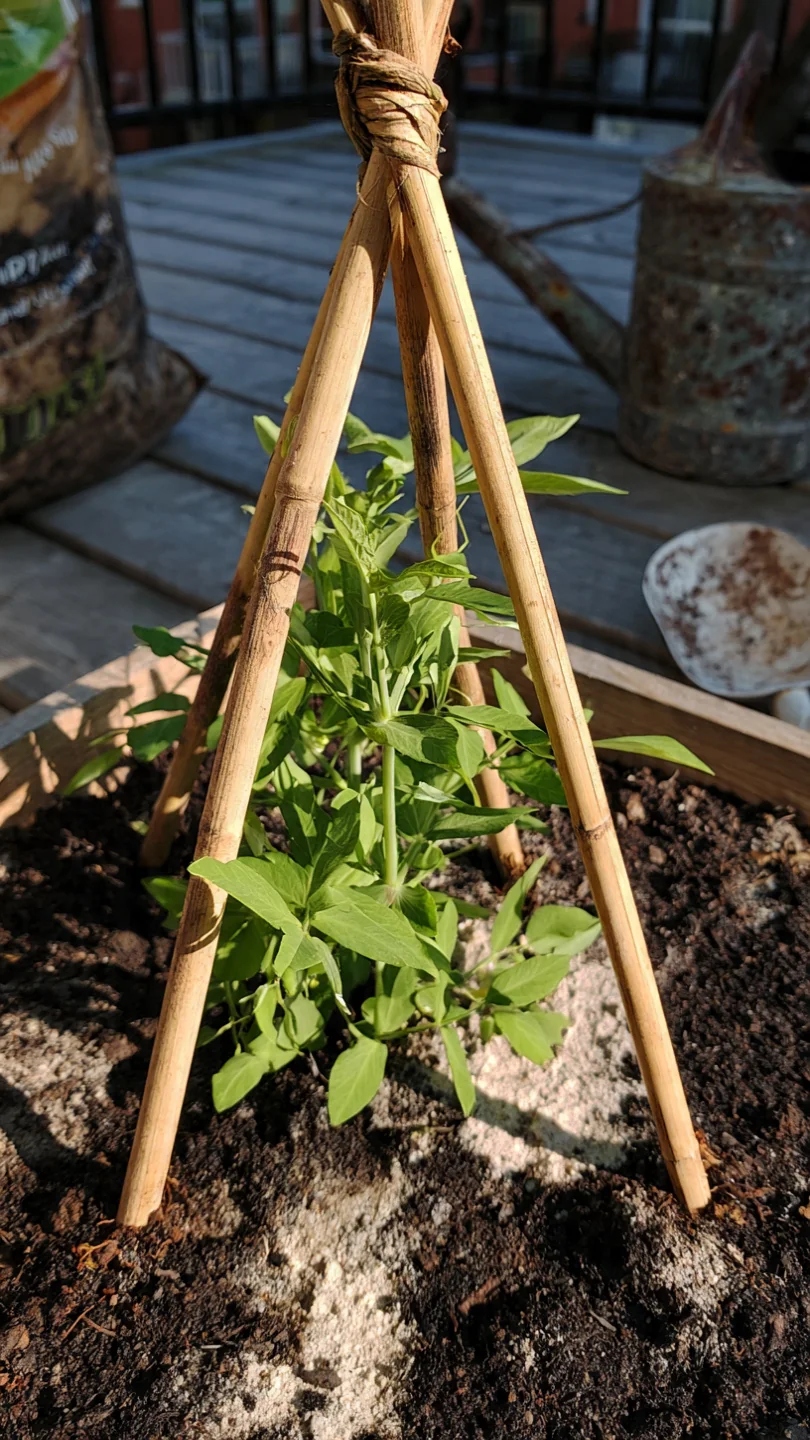
Bamboo Teepee Lite
Best for: Branch 2
Use versus skip: ideal for dwarf pea varieties in window boxes or 5-gallon pots where full-height obelisks would block light. Skip it for any crop that produces fruit heavier than 1 pound per vine. Edge case success comes when you drive one 6-inch soil stake at each pole base before tying the apex, adding stability without extra hardware.
Upcycled Headboard Lattice
Best for: Branch 3
Threshold rule: choose this when your container width exceeds 18 inches and you want a ready-made lattice pattern. Position a vintage wooden headboard so the bottom rail sits inside the pot rim and the top rests against a wall or post. Add two diagonal braces cut from scrap wood to prevent side sway. The existing slats create natural 8-inch spacing perfect for clematis or sweet peas. This option reuses materials already on hand and delivers instant height of 4 to 5 feet.
Starter Stack (What to Choose First)
Branch 1: Heavy Load Setups
Start with the Rebar-Anchored Bamboo Obelisk and the Bent Cattle Panel Half-Arch. Synergy comes from the obelisk anchoring the center while the arch extends outward reach for sprawling vines. Assembly time ranges from 30 to 60 minutes. Material cost range $30 to $80.
Branch 2: Light Climber Setups
Start with the Rim-Clamped Tomato Cage Upgrade and the Eye-Hook String Netting. Synergy arises when the cage provides initial structure and the netting fills gaps for even coverage. Assembly time ranges from 10 to 25 minutes. Material cost range $10 to $25.
Branch 3: Ornamental Screen Setups
Start with the Recycled Ladder Trellis and the Upcycled Headboard Lattice. Synergy delivers immediate height plus lattice fill for dense foliage coverage. Assembly time ranges from 15 to 40 minutes. Material cost range $15 to $45.
When This Won’t Work
These trellis systems fail when the container volume drops below 5 gallons because the narrow soil base cannot counterbalance mature vine weight regardless of anchoring method. They also fail under sustained winds above 25 mph without additional guy lines tied to a fixed structure such as a railing or wall. In either case the entire pot tips or the trellis snaps at the soil line.
Alternative action: shift to fabric grow bags for better root anchoring or relocate the container to a sheltered corner. For small patio situations review our small patio garden ideas to adjust layout before planting.
Choosing the Right Option for Your Situation
Budget Threshold
If total materials stay under $40 select any Low tier option from the comparison table. These rely on household items or single-store purchases and still deliver full-season performance in their assigned branch.
Time Threshold
If setup must finish in under 20 minutes choose Tight format items such as the Rim-Clamped Tomato Cage Upgrade or Eye-Hook String Netting. Both require only existing materials and basic hand pressure.
Technical Constraint
If power tools or drilling are unavailable limit choices to items that use clamps, hooks, or soil stakes only. Avoid any wall-mounted grid that requires stud screws.
Yes/No checklist:
Is your main crop heavy vining vegetables? Yes leads to Branch 1.
Do you need quick setup for peas or beans? Yes leads to Branch 2.
Is privacy or ornamental height the goal? Yes leads to Branch 3.
Container under 5 gallons or high wind exposure? Answer no to all branches and consider alternatives first.
Expert Q&A
How far apart should horizontal strings sit on a netting trellis to prevent pea tendril tangling?
Space horizontal strings exactly 6 inches apart on vertical runs. Closer spacing causes tendrils to cross and mat, increasing airflow restriction and mildew risk in humid container microclimates. Wider than 8 inches lets vines slip downward before they grip.
Can I reuse a cattle panel arch across multiple seasons without rust damage in coastal areas?
Yes if you select galvanized or vinyl-coated panel and rinse soil residue from the buried ends each fall. Store the arch flat and elevated over winter to avoid moisture pooling. Uncoated steel will show surface rust after two seasons but structural strength remains intact for three to four years.
What pot rim material works best with C-clamps for A-frame trellises?
Thick rolled rims on terracotta or reinforced plastic pots resist clamp pressure without cracking. Thin fiberglass or metal rims dent or bend under clamp torque above 15 pounds. Test clamp fit on an empty pot before filling with soil.
Does adding a central stake inside an obelisk improve stability for cucumbers in 12-gallon pots?
A single 3-foot central stake driven 12 inches deep adds no measurable stability when the outer rebar legs are already locked. It only crowds root space and complicates harvest access. Rely on the perimeter legs and cross bracing instead.
How do I train vines onto a wall-mounted wire grid without damaging the container below?
Guide new shoots horizontally along the lowest wire first, then upward. Use soft plant ties every 12 inches rather than letting vines wrap tightly. Keep the pot 2 inches away from the wall base to maintain air circulation and prevent soil splash onto the wall.
Conclusion
The decision grid removes guesswork by tying every trellis choice to measurable crop load and container size. The single most common mistake is selecting a flexible string system for heavy indeterminate tomatoes, which leads to collapse once fruit clusters form. Match the branch correctly on planting day and the structure lasts the full season.
Next step: review our full collection of container gardening ideas to pair the chosen trellis with compatible companion plants and soil mixes. Container gardening ideas.