
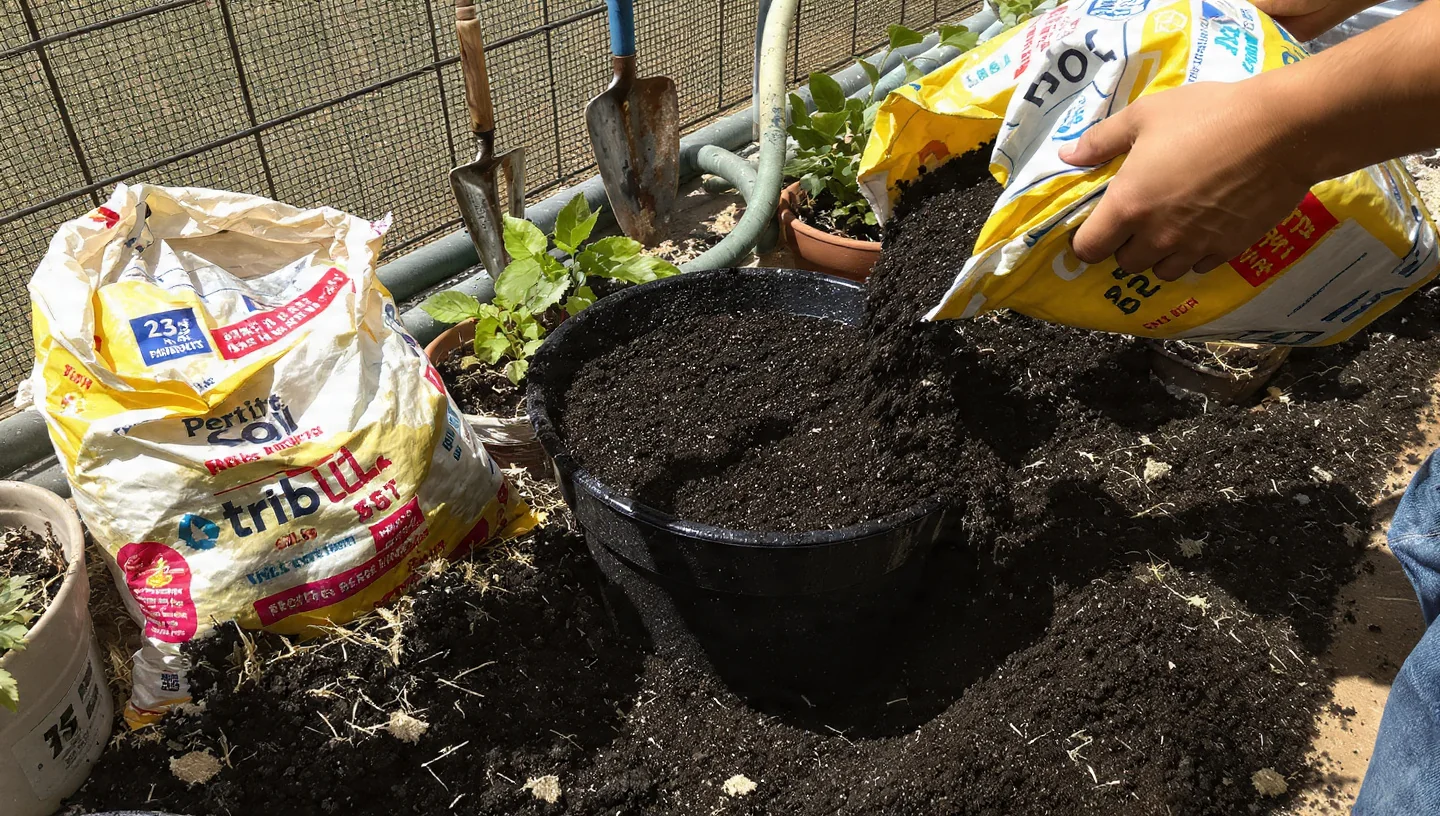
The best soil for container gardening comes down to matching three measurable conditions rather than hunting for a single perfect bag. The Yield Grid Decision Grid reframes the choice around container volume, plant nutrient demand, and drainage needs to prevent the two most common urban failures: compaction and uneven moisture.
This guide covers soilless potting mixes and simple DIY blends suited to small-space setups in balconies, patios, and windowsills. It excludes garden soil and topsoil, which compact too easily in limited root zones.
You will finish knowing exactly which option to select or build for your setup, along with the precise conditions that trigger each branch. Concrete steps let you avoid overwatering issues or nutrient shortages right from planting.
Bottom line: Align soil density and drainage to your container size and plant type for consistent results in urban container gardens.
The Yield Grid Decision Grid
Branch 1 (weight-sensitive setups): Containers of 5 gallons or smaller or placed on balconies with weight restrictions. Choose lightweight mixes that prioritize aeration over density. Recommended: Items 1, 2, and 6 below.
Branch 2 (nutrient-demanding edibles): Heavy-feeding plants such as vegetables in containers larger than 5 gallons. Choose mixes amended with compost for sustained nutrients. Recommended: Items 3, 4, and 8 below.
Branch 3 (drainage-critical plants): Plants needing fast drainage such as Mediterranean herbs or succulents, or in areas with frequent rain. Choose gritty mixes with elevated perlite or sand content. Recommended: Items 5, 7, and 9 below.
Whether new to containers, begin with our container gardening for beginners guide to assess your space constraints first.
Quick Comparison Table
| Option | Key mechanism | Best for | Decision Grid Branch | Effort Score |
|---|---|---|---|---|
| Lightweight Commercial Potting Mix | Peat or coir base with high perlite for reduced density and root aeration | Small pots and balconies | Branch 1 | 1 |
| Coco Coir Soilless Mix | Coir fibers hold moisture evenly while staying lightweight | Urban balconies needing low weight | Branch 1 | 2 |
| Standard All-Purpose Potting Mix | Balanced blend of organic matter and perlite for general aeration | Medium containers with mixed plantings | Branch 2 | 1 |
| Compost-Amended Blend for Edibles | Compost supplies slow-release nutrients in a soilless base | Vegetables and herbs in larger pots | Branch 2 | 3 |
| Fast-Draining Perlite Mix | High perlite content creates air pockets for rapid water passage | Succulents and herbs in rainy conditions | Branch 3 | 3 |
| Vermiculite-Lightweight Hybrid | Vermiculite improves water retention in a low-density formula | Small elevated containers | Branch 1 | 4 |
| Gritty Succulent and Herb Mix | Sand and perlite combination prevents waterlogging | Drought-tolerant plants and hot climates | Branch 3 | 4 |
| Worm Castings Enhanced Mix | Worm castings add microbial activity and gentle nutrients | Heavy feeders in established containers | Branch 2 | 3 |
| Sand and Perlite Drainage Blend | Sand improves structure for superior drainage in humid areas | Herbs and succulents in frequent-rain zones | Branch 3 | 5 |
Lightweight Commercial Potting Mix
Best for: Branch 1
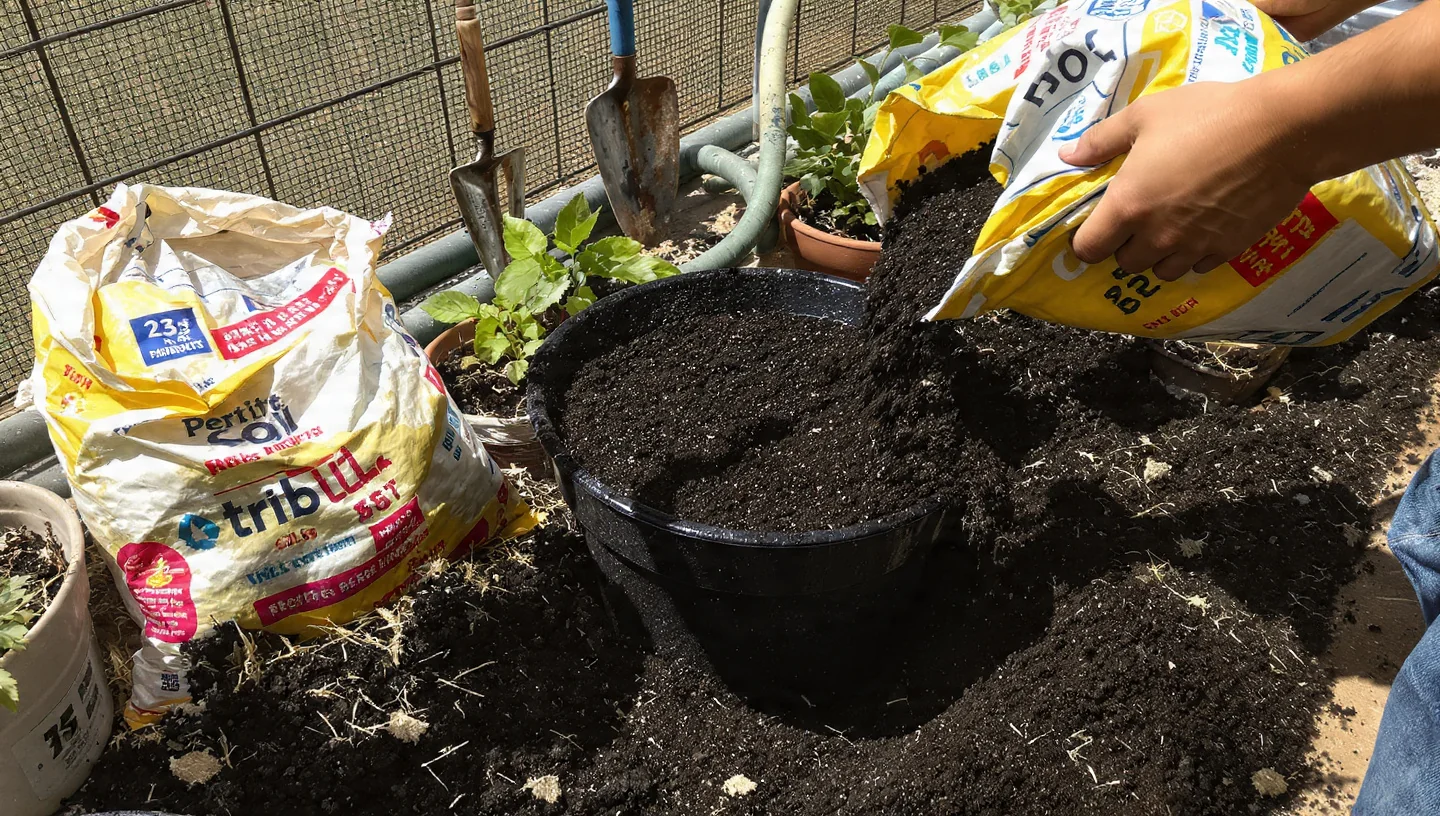
Blueprint. This ready-to-use mix relies on a peat or coir base plus perlite to stay under typical balcony weight limits while delivering oxygen to roots. It works for any container 5 gallons or smaller. Fill the pot to within 1 inch of the rim, firm gently without packing, and water until it runs clear from the bottom. Common mistake: skipping the initial thorough watering, which leaves dry pockets that repel later moisture. Pair with lightweight planters for full urban setups. This option requires no measuring or pH adjustment on day one.
Coco Coir Soilless Mix
Best for: Branch 1
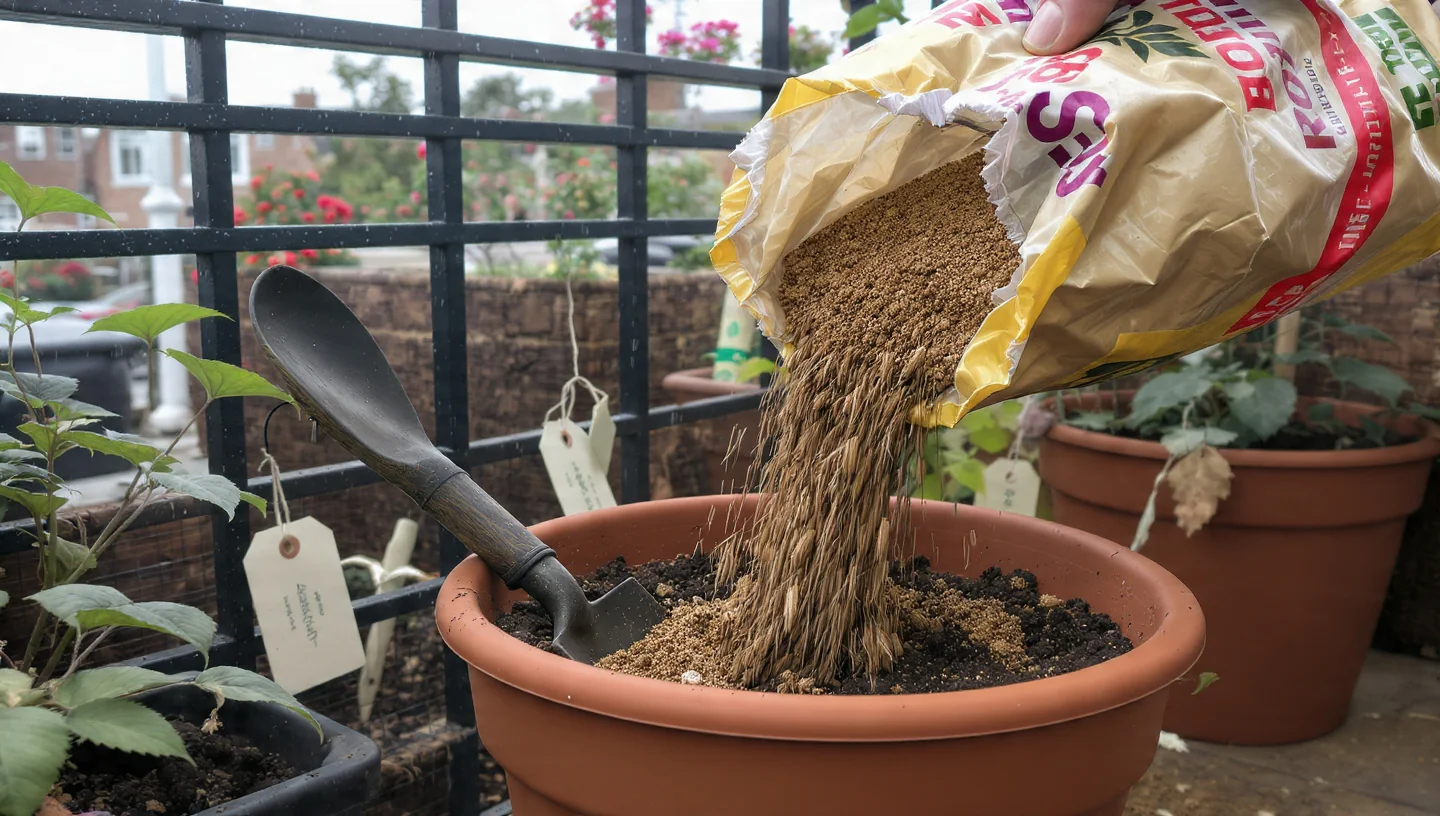
Use this when weight limits rule out heavier blends. It stays lighter than peat mixes yet retains moisture evenly. Skip it only in constant high-rain climates where extra drainage trumps retention. Edge case: windy balconies where coir prevents pots from drying out too fast between waterings.
Standard All-Purpose Potting Mix
Best for: Branch 2
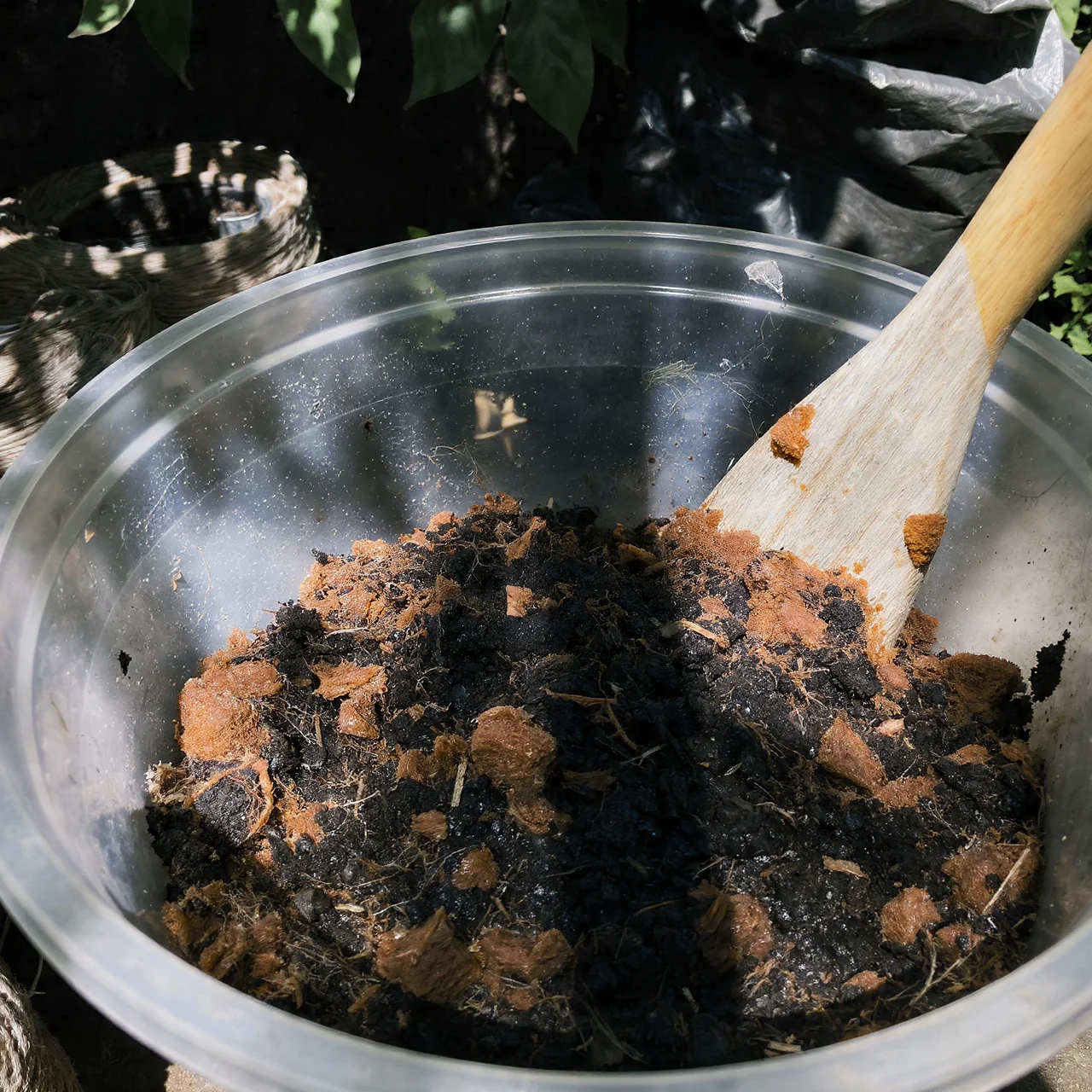
Threshold rule. Choose this when container volume exceeds 5 gallons and plants need steady nutrients without extra amendments. It holds water and air in balance as long as the mix drains within 30 minutes after watering. Adjust upward with perlite if your area receives more than 2 inches of rain weekly.
Compost-Amended Blend for Edibles
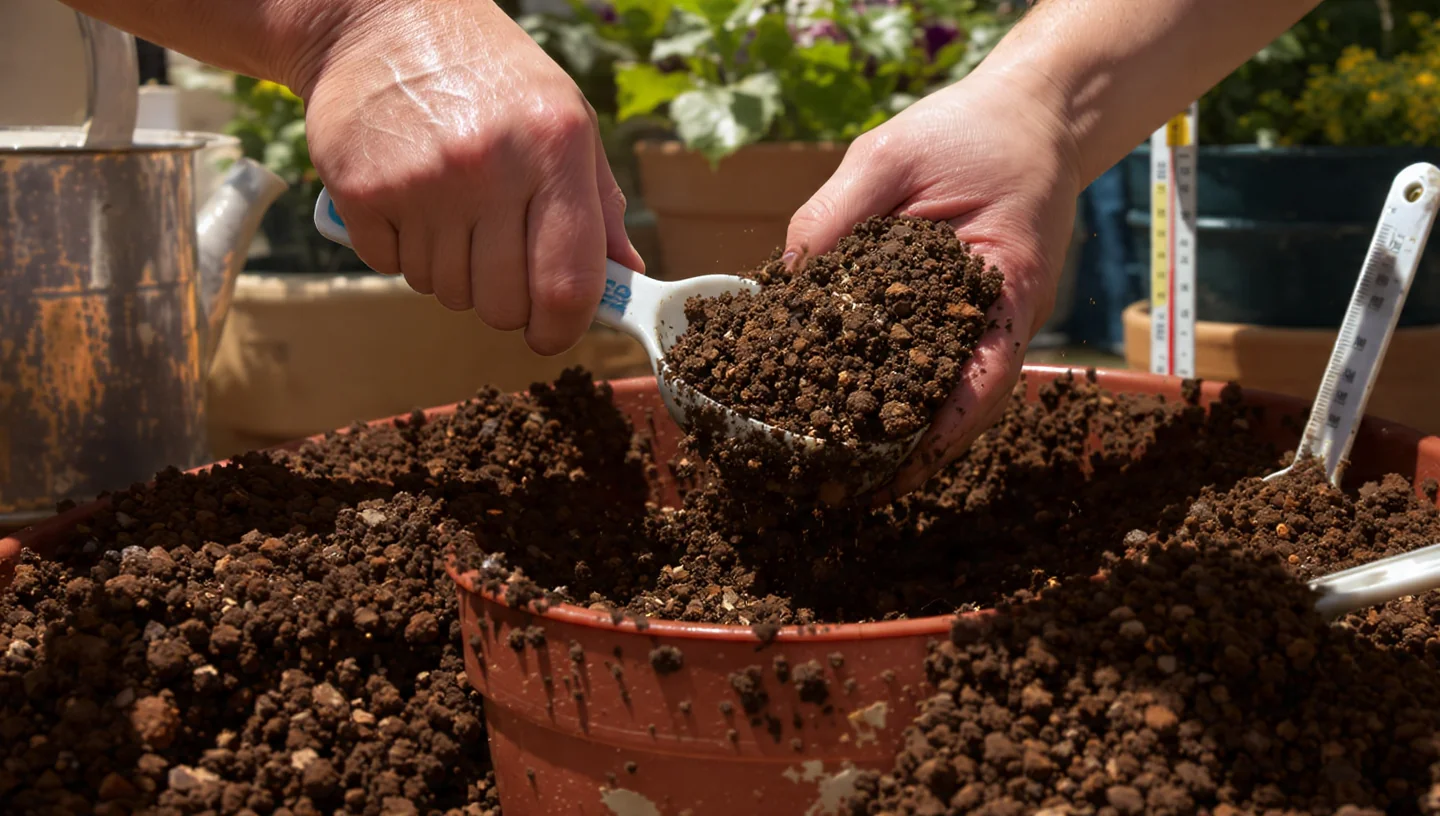
Best for: Branch 2
10-minute workflow. Start with one bag of standard soilless mix. Add equal volume of screened compost and mix on a tarp. Fill pots, water deeply, and top-dress with 1 inch of compost every 8 weeks. Upgrade option: incorporate a handful of worm castings at planting for extra microbial boost. This blend supports tomatoes and other heavy feeders without compaction. See our guide to tomatoes in pots for timing details.
Fast-Draining Perlite Mix
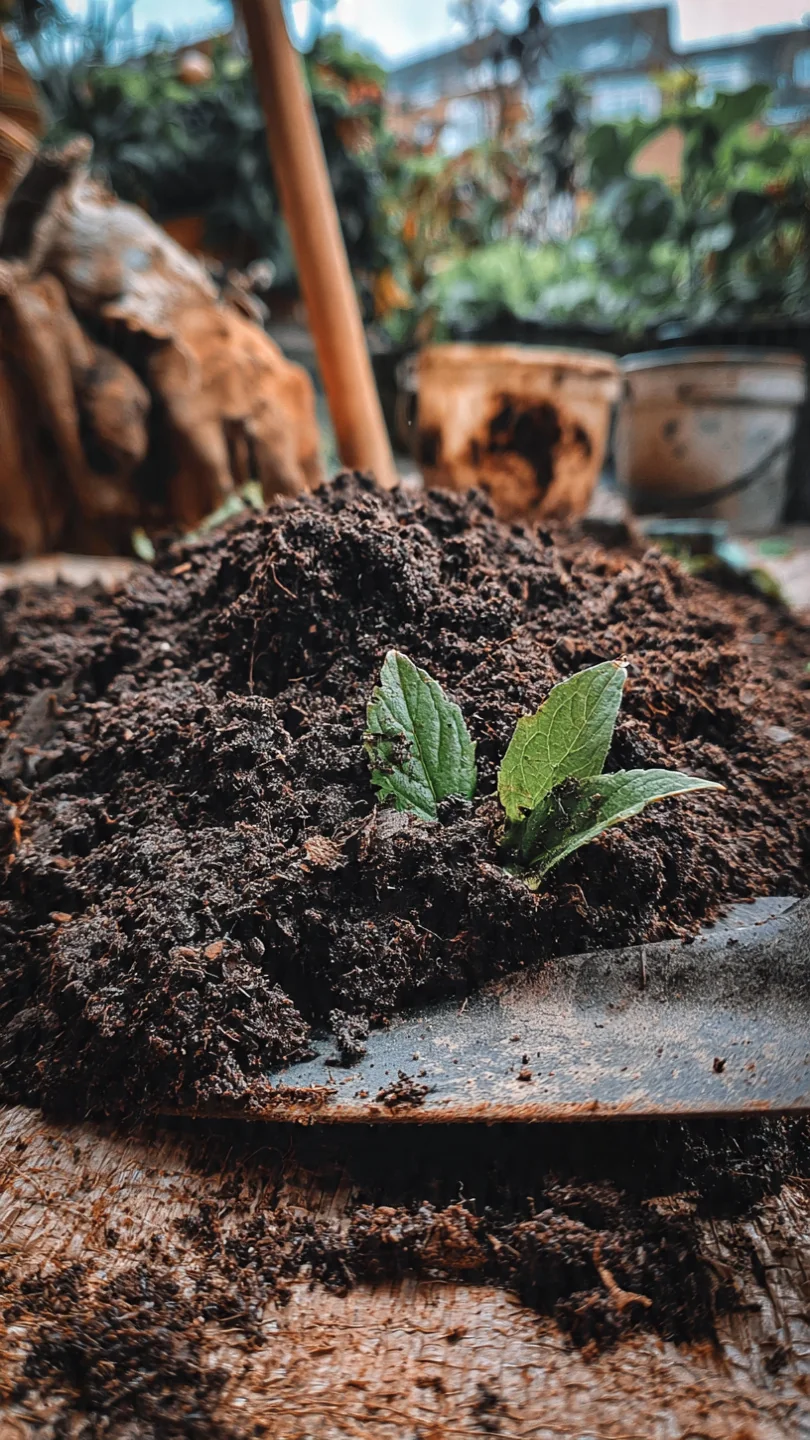
Best for: Branch 3
Use this for succulents and Mediterranean herbs where water must exit quickly. It avoids root issues in humid or rainy zones. Skip only for moisture-loving leafy greens.
Vermiculite-Lightweight Hybrid
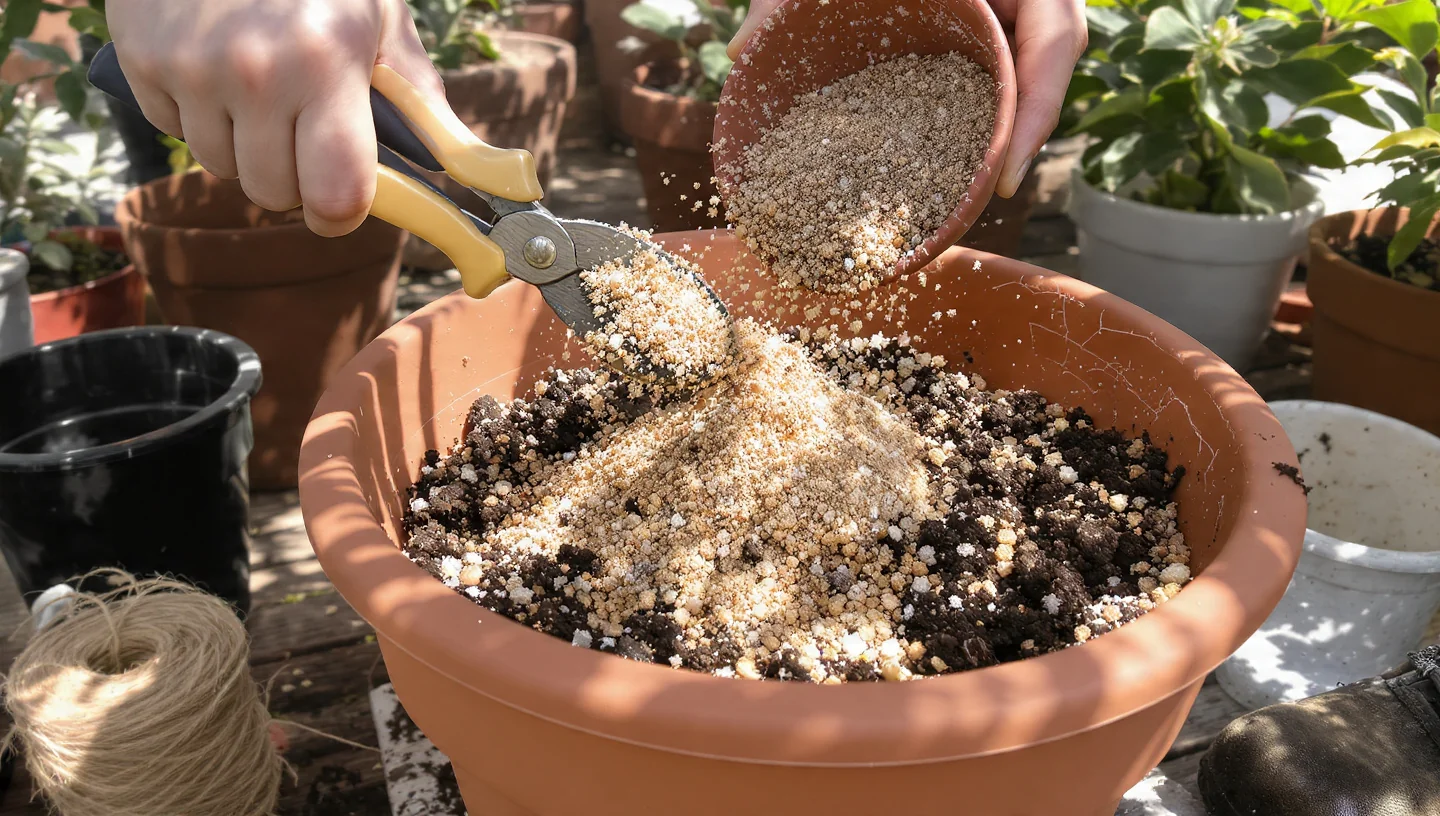
Best for: Branch 1
Blueprint. Combine standard potting mix with vermiculite at equal volume for extra water-holding capacity in small elevated containers. It keeps total weight low while preventing drought stress on balconies. Steps: pre-moisten vermiculite, blend thoroughly, fill, and water until drainage appears. Mistake to avoid: over-firming the mix, which collapses air pockets. This hybrid suits windowsills and hanging setups where daily checks are impractical.
Gritty Succulent and Herb Mix
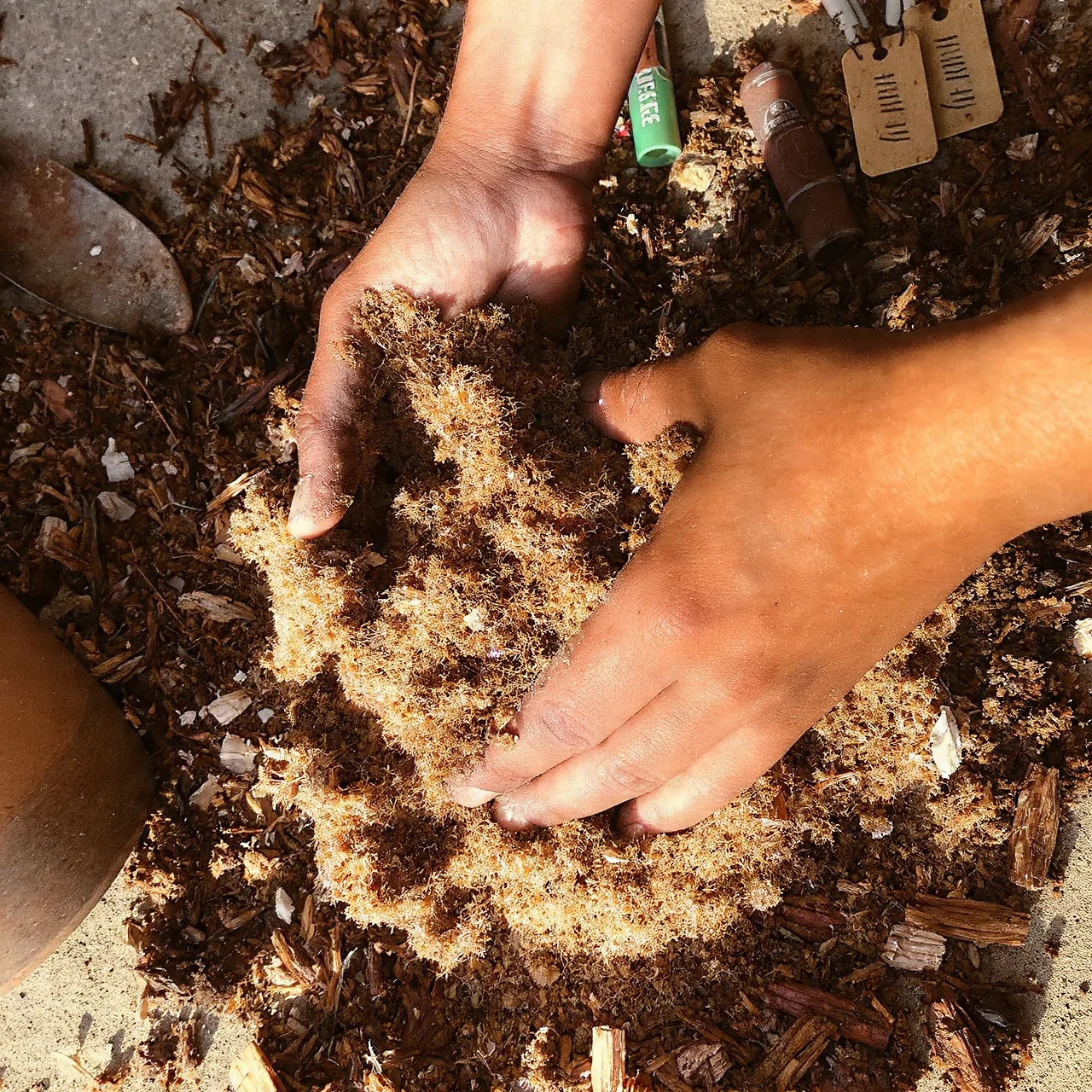
Best for: Branch 3
Use vs skip. Use for lavender or rosemary in hot or rainy conditions to prevent rot. Pros include superior oxygen flow. Cons appear only in very dry indoor air where it dries too fast. Edge case: grow bags on rooftops where extra grit counters wind-driven drying. See grow bags gardening for compatible techniques.
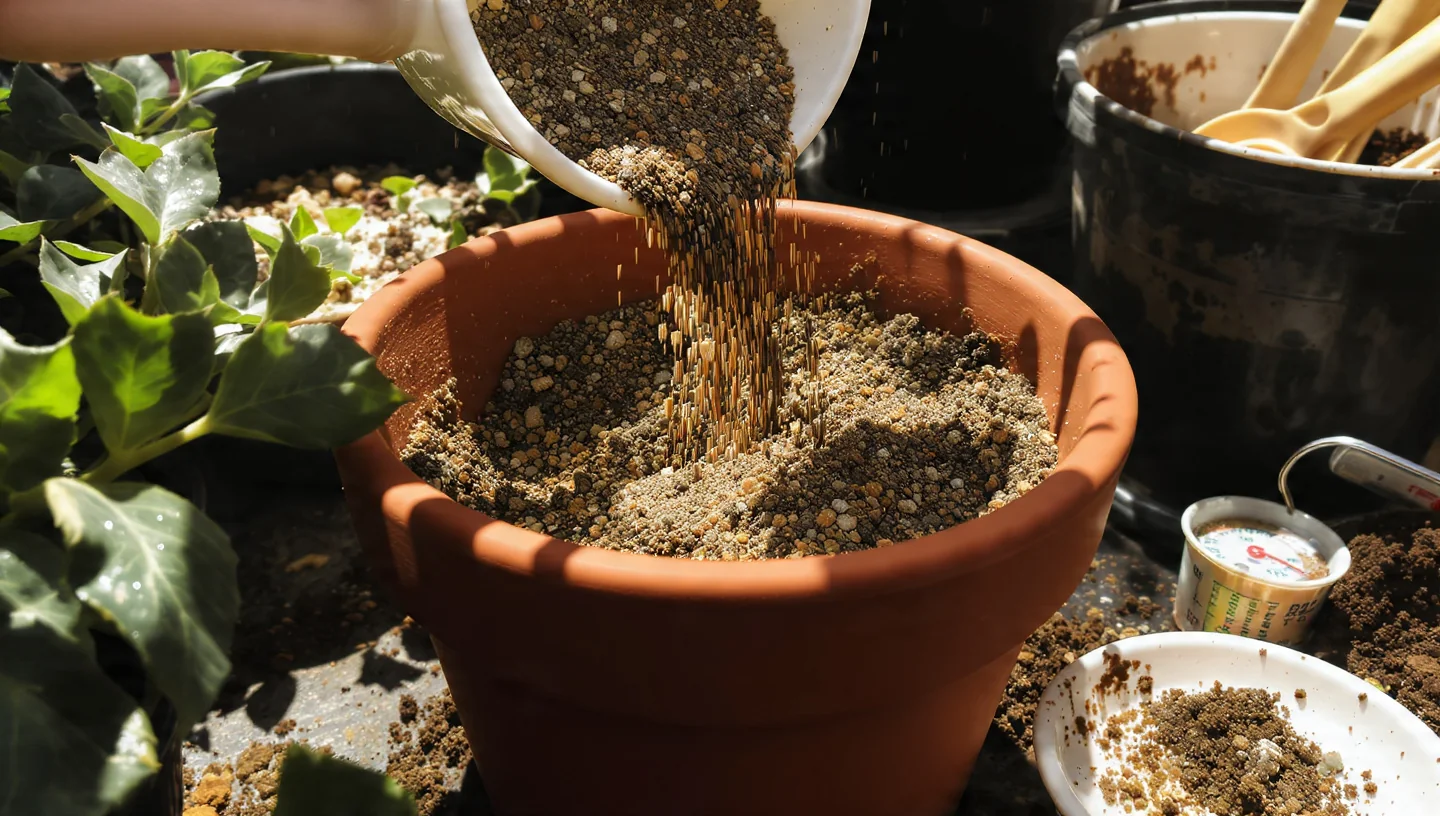
Worm Castings Enhanced Mix
Best for: Branch 2
Threshold rule. Select this when plants show nutrient hunger after 6 weeks in plain mixes. Add castings at 10 percent of volume to any soilless base. It works best in containers over 5 gallons where roots explore deeper layers. Test drainage remains under 45 minutes post-watering to confirm balance.
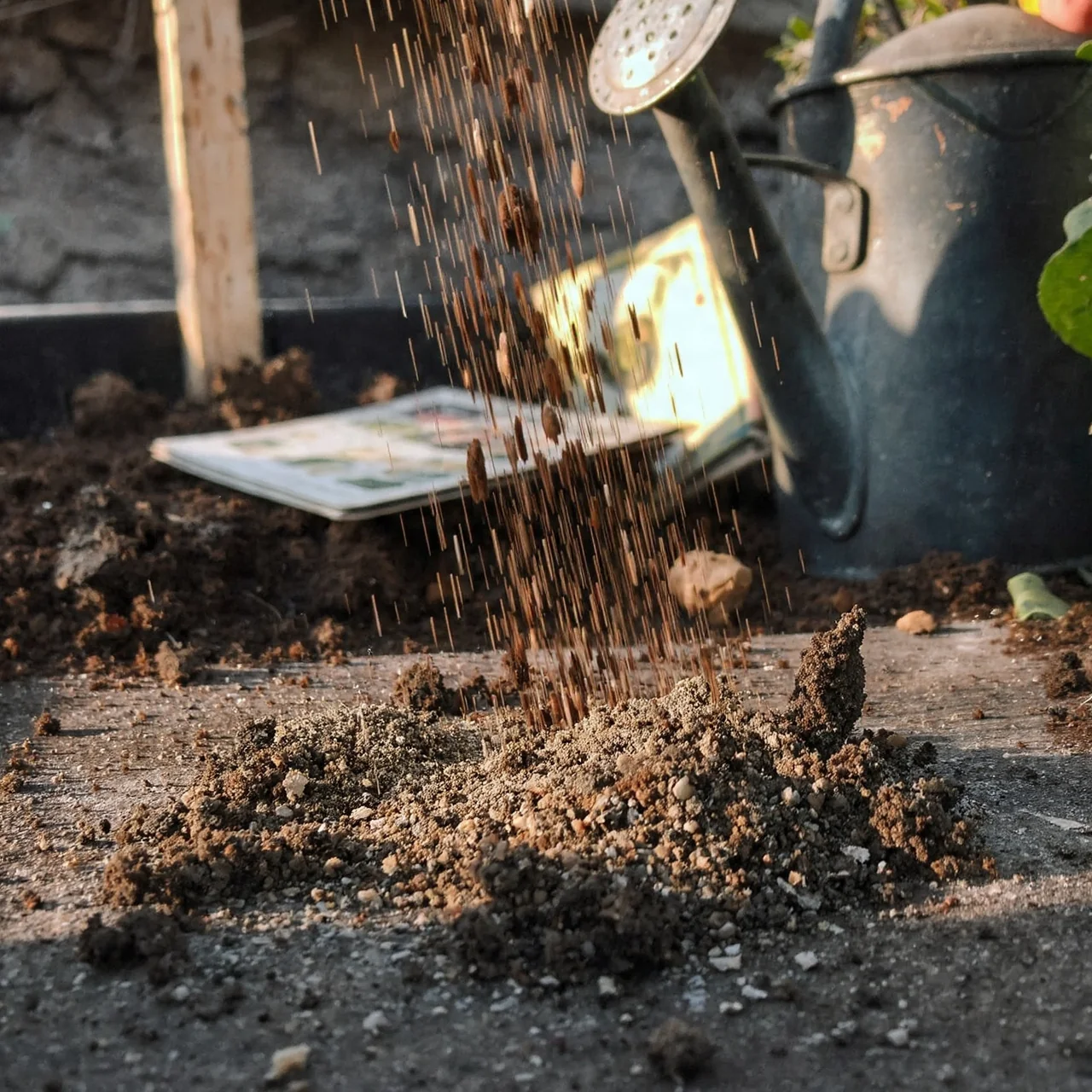
Sand and Perlite Drainage Blend
Best for: Branch 3
Blueprint. Mix equal parts perlite, coarse sand, and soilless base for herbs needing rapid drying. It suits terracotta or plastic pots in humid climates. Steps: screen sand to remove fines, blend dry first, then moisten before potting. Common mistake: using fine playground sand, which compacts instead of draining. This blend keeps roots healthy when rain exceeds 1 inch weekly.
Starter Stack (What to Choose First)
Branch 1: Weight-Sensitive Setups
Start with Lightweight Commercial Potting Mix and Coco Coir Soilless Mix. The pair keeps filled containers under typical balcony limits while delivering even aeration. Expect 10 to 20 minutes to fill pots and 12 to 18 dollars per cubic foot.
Branch 2: Nutrient-Demanding Edibles
Start with Standard All-Purpose Potting Mix and Compost-Amended Blend for Edibles. Together they supply baseline structure plus slow-release nutrients for vegetables. Expect 15 to 25 minutes of prep and 10 to 16 dollars per cubic foot.
Branch 3: Drainage-Critical Plants
Start with Fast-Draining Perlite Mix and Gritty Succulent and Herb Mix. The combination ensures water exits quickly in rain-prone areas. Expect 20 to 30 minutes of mixing and 14 to 20 dollars per cubic foot.
When This Won’t Work
Container soil choices fail under two measurable conditions. First, if water sits in the saucer longer than 24 hours after a full watering, roots risk rot regardless of mix type. Second, if the surface crusts and pulls away from pot sides within 4 weeks, compaction has begun and oxygen access drops. In either case, repot immediately into the next branch mix with 20 percent extra perlite or sand. Adjust watering to every other day only after confirming drainage improves.
Pot material also interacts with soil performance. Porous materials accelerate drying and may require a more moisture-retentive option than planned. See how terracotta versus plastic pots change the equation.
Choosing the Right Option for Your Situation
Budget Threshold
Under 15 dollars per cubic foot favors commercial ready mixes from Branches 1 or 2. Above that threshold, custom blends deliver longer nutrient life.
Time Threshold
Under 15 minutes of prep points to Effort Score 1 or 2 options. Over 20 minutes opens full DIY recipes from any branch.
Technical Constraint: Drainage Rate
If test water drains in under 30 minutes, stay in Branch 3 or add perlite to other branches. Slower drainage triggers Branch 1 or 2 with extra aeration material.
Yes checklist: container volume known, plant type identified, drainage test passed, weight limit checked. No checklist: using yard soil, unknown pH, no drainage holes, or mixing without measuring tools.
Expert Q&A
How often should I refresh container soil between seasons?
Replace the top third of soil each spring and fully refresh every two seasons. Topsoil removal prevents salt buildup from fertilizers while preserving beneficial structure below. Test drainage after refresh to confirm the new layer matches your chosen branch.
Does soil choice impact root rot risk in rainy urban areas?
Yes. Fast-draining mixes from Branch 3 cut risk by letting excess water exit within minutes. Slower mixes from Branch 1 require raised pot feet and reduced watering volume to stay safe when weekly rainfall tops 2 inches.
What pH range works best for most container vegetables?
Most edibles perform well between 5.5 and 7.0. Compost-amended blends buffer naturally in this window. Check with a simple kit before planting heavy feeders and adjust with lime only if readings fall below 5.5.
Can I combine different soil types in one pot for mixed plantings?
Layering works when the bottom half matches the thirstiest plant and the top half suits the rest. Keep total depth under 12 inches to avoid uneven moisture zones. Test the full pot after filling to verify overall drainage meets branch requirements.
How does container soil differ from raised bed soil?
Container mixes stay lighter and more porous to compensate for restricted root volume and no ground contact. Raised bed soil can include garden loam because it drains into native earth. Never swap the two or compaction follows within weeks.
Conclusion
The Yield Grid Decision Grid turns soil selection from guesswork into a repeatable match of container size, plant needs, and drainage conditions. The single biggest mistake remains using garden soil, which compacts and starves roots in any pot.
Next step: measure your largest container volume and plant list, then select the matching branch starter stack. Explore more container gardening ideas to pair the right soil with your layout.